
Hydrated silica · October birthstone
Opal
Play of colour in a stone that contains water.
- Hardness
- Mohs 5.5
- Toughness
- Poor
- Daily wear
- Earrings and pendants
- Price tier
- USD 100 to 10,000+ per carat, fine quality
- Colours
- White, Black, Crystal, Boulder, Fire
- Origins
- Australia, Ethiopia, Mexico, Brazil
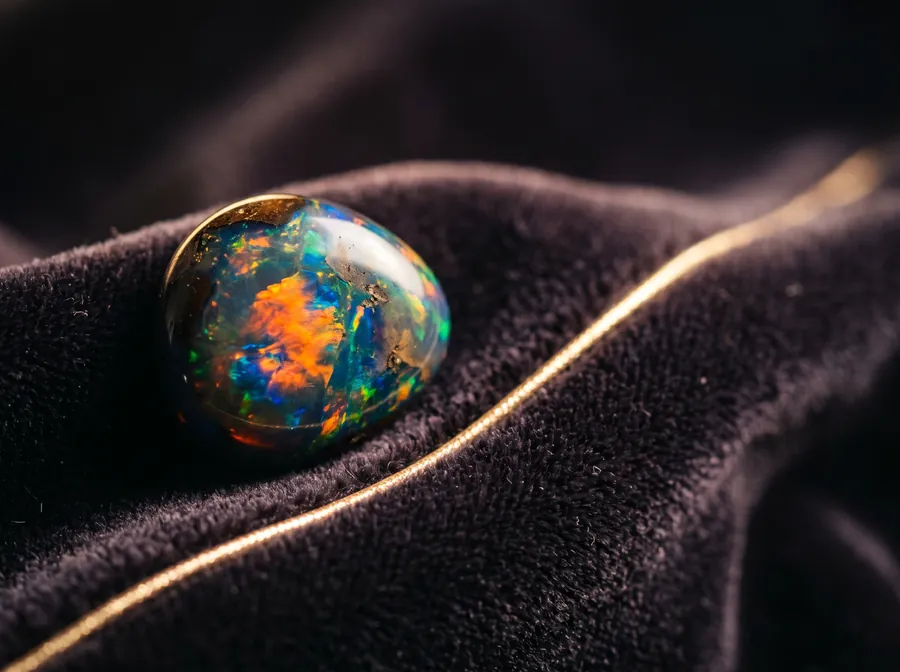
Opal is silica with up to twenty percent water, and its play of colour comes from microscopic spheres diffracting light. Black opal from Lightning Ridge in Australia is the most valuable; white and crystal opal are more common; boulder opal keeps its ironstone host; Ethiopian opal is affordable and lively but can absorb water. Opal is soft and can crack (craze) if dried out.
How to buy opal
Judge the brightness and pattern of the play of colour, then the body tone (darker is rarer). Prefer solid opal over doublets or triplets. Wear in earrings, pendants or protected rings.
Treatments
Ethiopian opal may be dyed or smoke-treated; doublets and triplets (thin opal on a backing) should be disclosed.
Care
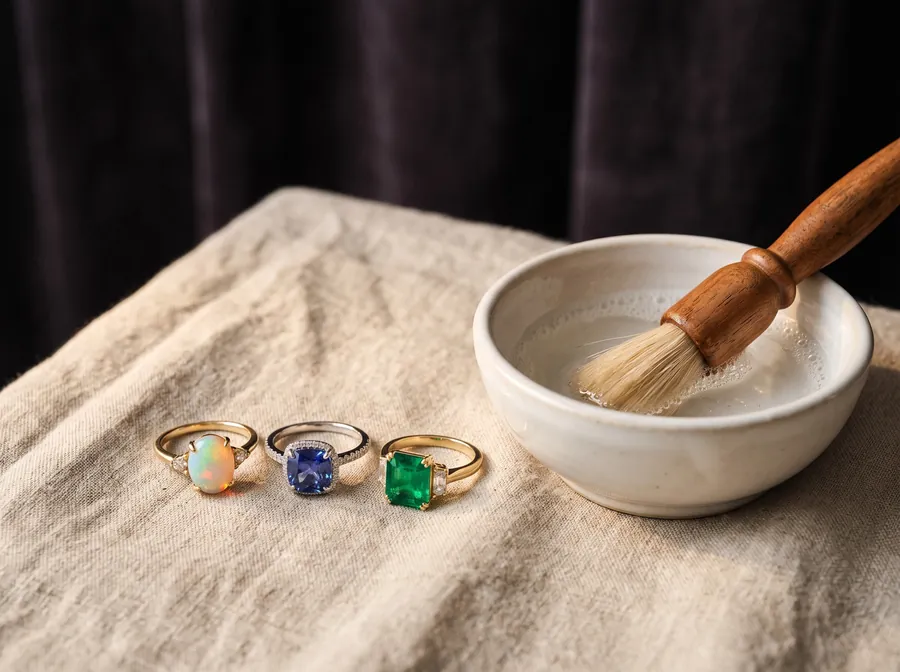
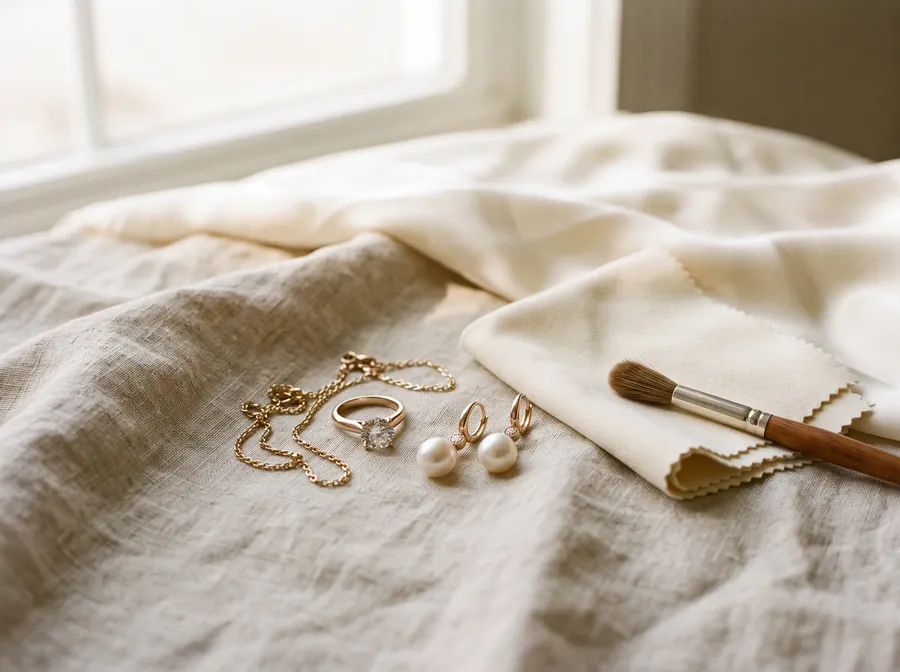
Damp cloth only. No ultrasonic, no heat, no prolonged drying; solid opal can be wiped, doublets and triplets must not be soaked.
Lore
Romans ranked opal above all other gems; a Victorian novel gave it an undeserved reputation for bad luck that took decades to shake off.