What was done to the stone
Heated, Oiled, Filled: Gemstone Treatments Decoded

Treatment is not fraud. Undisclosed treatment is. Knowing the difference is the single most valuable thing a coloured-stone buyer can learn.
Heating
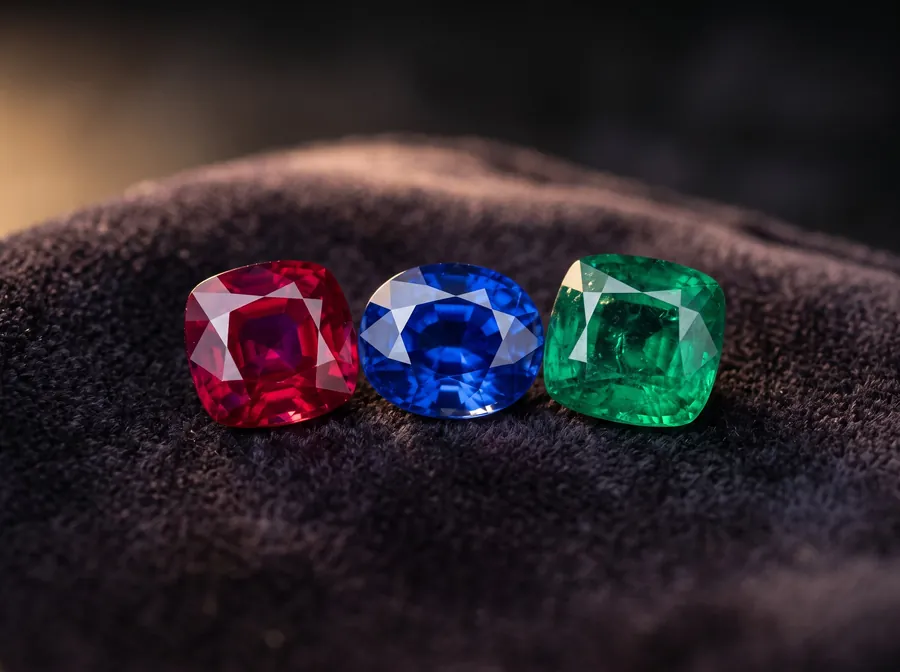
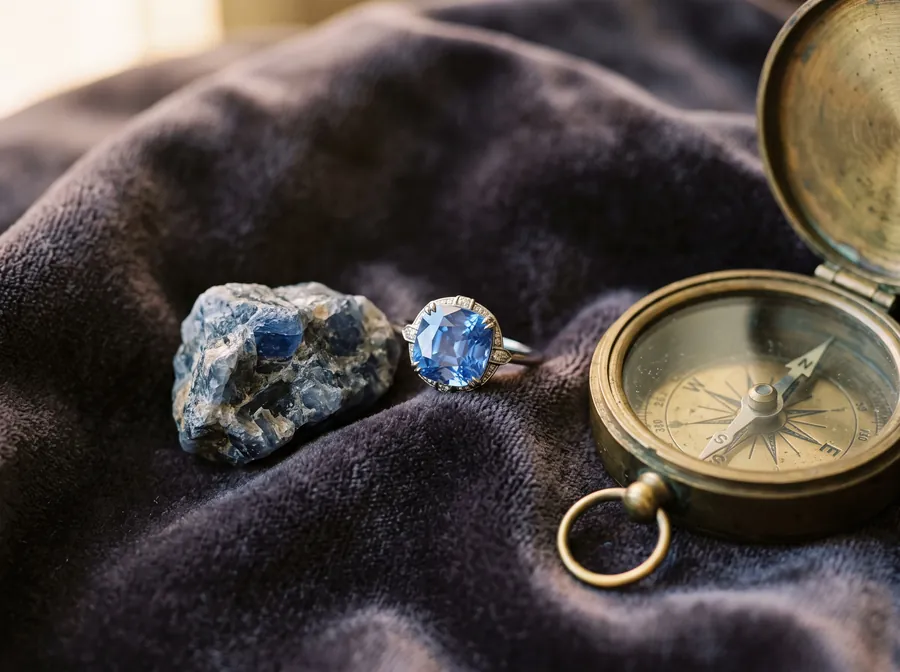
Corundum (ruby and sapphire), tanzanite, aquamarine, citrine, amethyst and many others are heated to improve colour or clarity. Heat is permanent, stable and accepted by the trade, and is assumed unless a report says “no indications of heating”. Unheated stones of fine colour carry premiums of thirty percent to several hundred percent, because they are rare.
Oiling and resin filling
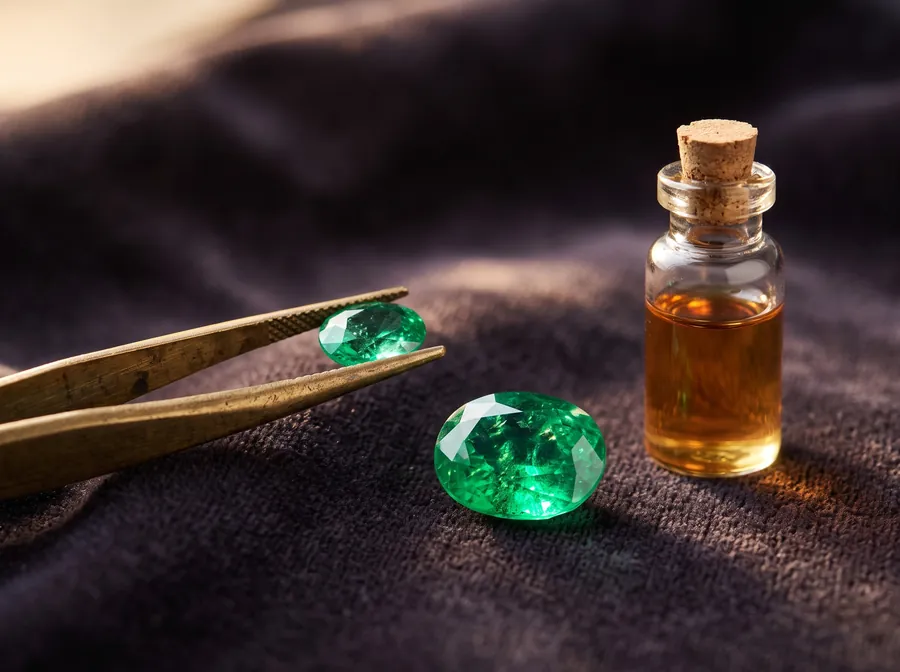
Emeralds are soaked in colourless oil, traditionally cedar oil, or in resins that fill surface-reaching fractures and make them less visible. Oil dries out and can be replaced; resins are more permanent and harder to remove. Reports grade the degree: none, minor, moderate, significant. Significant filling means the stone would look very different without it and should be priced accordingly.
Fracture filling in diamonds
Glass-like fillers are injected into cracks. It is legal with disclosure, but the filling can be damaged by heat during repair and the stone should be priced as a lower clarity than it appears.
Diffusion
Beryllium or titanium is diffused into the surface of sapphires at high temperature to create or intensify colour. The colour can be shallow; recutting removes it. Diffused stones are worth a fraction of naturally coloured ones and must be disclosed.
Irradiation
Blue topaz is almost always irradiated and then heated; the colour is stable and the treatment is standard. Some coloured diamonds are irradiated to create fancy colours and must be disclosed as treated.
Dyeing, coating and stabilising
Jade, lapis, turquoise and low-grade rubies may be dyed. Tanzanite and topaz are sometimes coated with thin films. Turquoise and opal are commonly stabilised with resin. All are acceptable with disclosure and all should be inexpensive.
Disclosure, in practice
Reputable sellers disclose in writing. Laboratory reports state treatments in a dedicated line. The phrase to look for is “no indications of treatment” or the equivalent; the phrase to distrust is “natural stone” without a report, because a treated stone is still a natural stone.
Questions people ask
Should I avoid treated stones altogether?
No. Heated sapphires and minor-oiled emeralds are the normal, affordable version of beautiful stones. Avoid undisclosed treatment, and pay unheated prices only for stones with reports.
Can treatment be reversed or fail?
Oil dries out over years and can be replaced by a jeweler. Fracture fillings can be damaged by heat. Heat and irradiation are permanent.
Does treatment matter when selling?
A great deal. A buyer assumes treatment unless a report says otherwise, so an unheated stone without a report is priced as heated.