Stones, metal, signature
Selling Diamonds and Jewelry: What Buyers Pay For

A ring bought for ten thousand may be offered two. That is not a swindle; it is the retail markup running backwards. Knowing how buyers take a piece apart in their heads is how you put a fair number on it.
The three values in every piece
A buyer sees three things: the metal, priced at spot minus a percentage; the stones, priced at wholesale for what they can resell them for; and the signature, the name of the maker, which for a handful of houses is worth more than both. Everything else, design, labour, the box, the memory, is worth nothing to a buyer unless the piece is signed or antique.
Diamonds
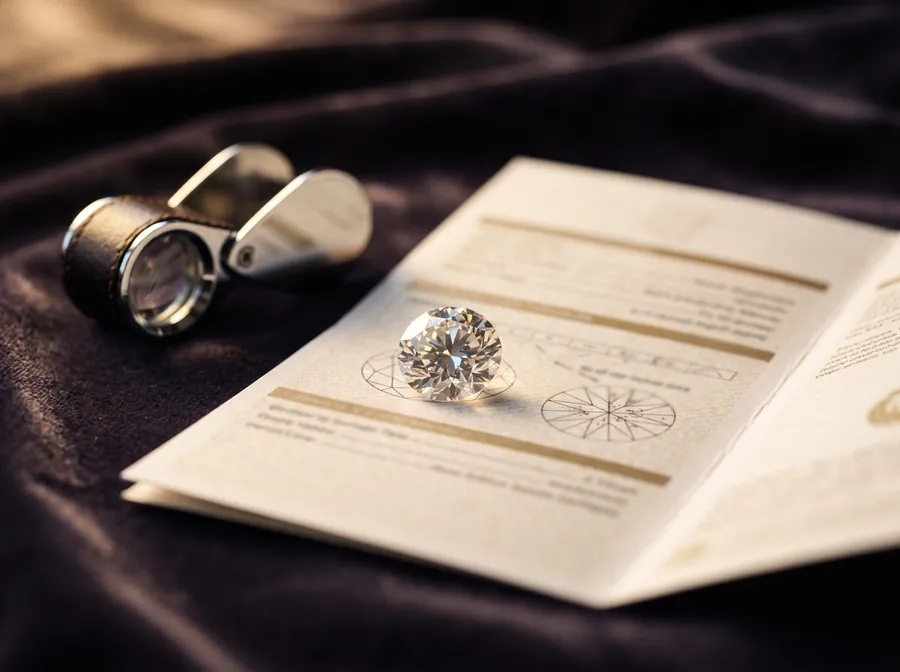
A diamond with a GIA or IGI report is priced from wholesale price lists by its grades, minus a discount for the buyer’s margin and the time it takes to resell. Expect thirty to sixty percent of the current retail price for a fine, certified stone, more for larger and rarer stones, less for small, commercial or lab-grown stones. A diamond without a report is graded by the buyer, conservatively; for stones over a carat, a report before selling usually pays.
Coloured stones
Ruby, sapphire and emerald with laboratory reports stating origin and treatment sell well to specialist buyers. Commercial-grade coloured stones, and anything without a report, sell for little. Semi-precious stones in ordinary settings add nothing to the metal value.
The metal
Weighed and priced like scrap: eighty to ninety-five percent of fine value. The Gold Calculator on this site shows the number in advance.
The signature
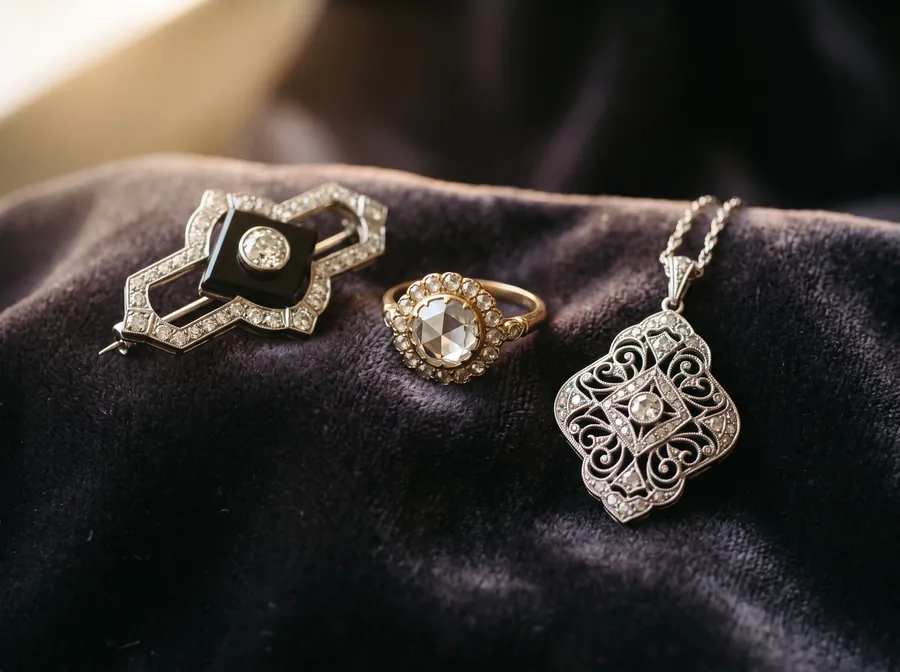
Cartier, Van Cleef & Arpels, Bulgari, Tiffany, Harry Winston, Graff, Boucheron, Chaumet and a few others sell as brands, at a large share of their retail price, especially for iconic lines and vintage pieces with boxes and papers. Buyers of signed pieces are different from buyers of scrap; sell to the former.
Pieces worth more than their parts
- Signed pieces from the houses above, especially with original documentation.
- Antique and period jewelry in original condition.
- Fine pearls, particularly natural pearls and large South Sea strands.
- Designer and artist jewelry with collector followings.
- Large, fine, certified stones of any kind.
Where to sell what
Scrap and ordinary pieces to precious metal buyers; certified diamonds to diamond dealers or online buyers with transparent grading; signed and antique pieces to specialist dealers or auction; whole estates to a specialist who splits them. Our sell pages route each type to vetted buyers who compete for it.
How to compare offers
Ask every buyer to itemise: metal weight, purity and price used; each stone with its grades and value; any signature premium. An itemised offer can be compared; a lump sum cannot.
Questions people ask
Why is a lab-grown diamond worth so little to a buyer?
Because a buyer can purchase a new one wholesale for less than most people paid. Their resale market is thin and getting thinner.
Should I remove the stones before selling the gold?
Not yourself. Ask the buyer to value the stones separately or to return them; a jeweler removes them safely.
Is an insurance appraisal a guide to the offer?
No. It states retail replacement value, which is typically two to three times what a buyer will pay. See our appraisal guide.