Georgian to mid-century
Vintage and Antique Jewelry: Eras and Signatures

Old jewelry is bought for three reasons: it is beautiful, it is cheaper than new for the same stones, and sometimes it is signed by a house whose name turns metal into art. Knowing the eras is where all three begin.
Antique or vintage
Antique means over a hundred years old; vintage means roughly twenty to a hundred. Estate jewelry simply means previously owned, of any age. The words are used loosely on sales floors and precisely at auction.
Georgian (1714 to 1837)
Handmade, silver-topped gold, closed-back settings with foil behind the stones, rose-cut and old-mine-cut diamonds, garnets, paste. Rare, fragile, valuable and often altered. Buy only from specialists.
Victorian (1837 to 1901)
Three phases: romantic (snakes, hearts, seed pearls, turquoise), grand (heavy gold, jet mourning jewelry, cameos) and late (lighter, star and crescent motifs, diamonds as South African supply grew). Old-mine and old-European-cut diamonds with small tables and high crowns, prized today for their candlelight sparkle.
Edwardian and Belle Époque (1901 to 1915)
Platinum arrives: lace-like filigree, millegrain edges, garlands, bows, diamonds and pearls in white-on-white designs. Delicate and easily damaged; check for repairs.
Art Nouveau (1890 to 1910)
Nature, curves, women’s faces, enamel, opal, moonstone, horn and glass. Artists such as Lalique and Fouquet. Valued for design rather than stones; enamel condition is everything.
Art Deco (1920 to 1935)
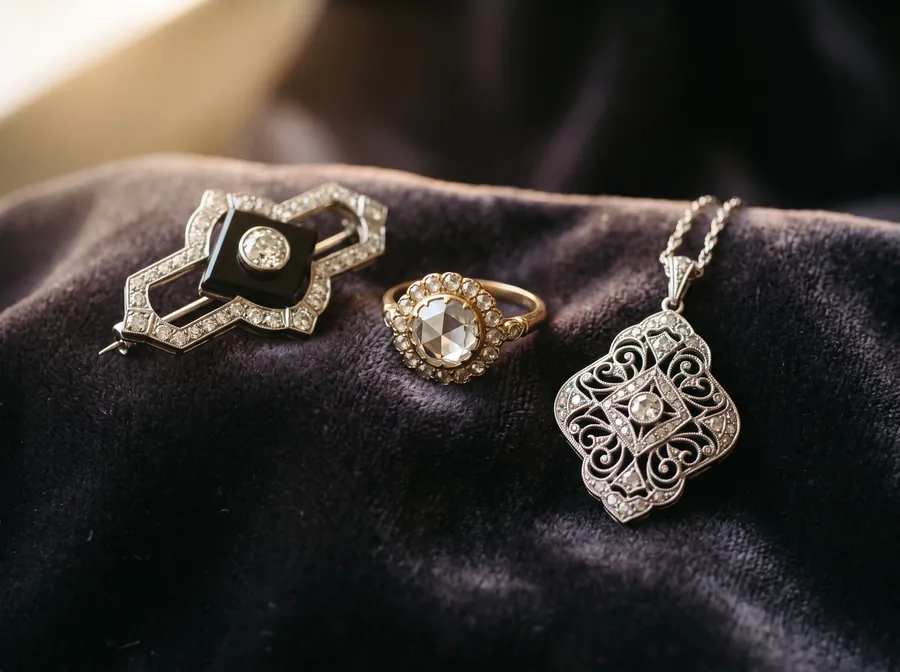
Geometry, symmetry, contrast: platinum with diamonds, onyx, coral, jade and calibré-cut sapphires and emeralds, baguettes and step cuts. The most collected era; Cartier, Van Cleef & Arpels, Boucheron and Mauboussin pieces from this period are auction stars. Reproductions are everywhere, so buy on construction and marks.
Retro (1935 to 1950)
Bold, sculptural rose and yellow gold, large citrines and aquamarines, tank-track bracelets, cocktail rings. Platinum was reserved for the war effort, hence the gold. Undervalued and wearable.
Mid-century and modernist (1950 to 1975)
Textured gold, abstract forms, brutalist pieces, designer names such as Andrew Grima, Georg Jensen and the Scandinavian modernists, plus the big houses’ post-war lines. Growing collector interest.
Signatures and originality
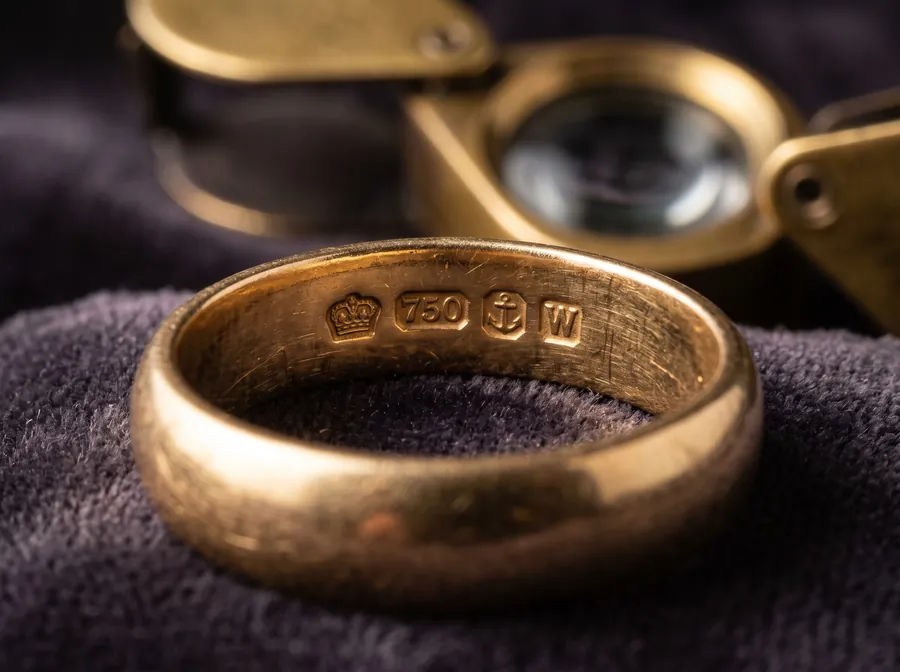
A signed piece is worth a multiple of an unsigned one of the same quality; a signed piece with its original box and archive documentation, more still. Originality matters: replaced stones, re-shanked rings and re-cut diamonds reduce value. Old-cut diamonds should stay old-cut; recutting them to modern brilliants destroys history and rarely adds value.
Buying and selling
Buy from dealers who describe repairs and replacements in writing. Sell signed and fine antique pieces through auction houses or specialist dealers, not to metal buyers, who will price them by weight. Our sell page routes signed and antique pieces to the right buyers.
Questions people ask
Are old-cut diamonds worth less than modern ones?
Per carat, usually a little less on paper, because they are graded lower on cut. Collectors and antique dealers pay premiums for them because they cannot be made anymore.
How can I tell if a piece is Art Deco or a reproduction?
Platinum with hand-cut calibré stones, millegrain by hand, wear consistent with age, maker’s marks of the period and, ideally, provenance. Reproductions are heavier, cast and often in white gold.
Should I have antique jewelry restored?
Cleaned and secured, yes. Restored to look new, no: patina and originality are part of the value.