Where a stone was born
Why Origin Matters: Kashmir, Burma, Colombia

A sapphire from Kashmir and one from Madagascar can be twins to the eye and strangers at auction. Origin is part geology, part history and part marketing, and it pays to know which part you are paying for.
How origin is determined
Laboratories compare a stone’s inclusions, trace elements and spectroscopic fingerprint with reference collections from known mines. The result is an opinion, stated on the report as “origin: Kashmir” or similar. Good laboratories (SSEF, Gübelin, GRS, GIA, AGL) agree most of the time; for the most valuable stones, buyers ask for two reports.
The names that carry premiums
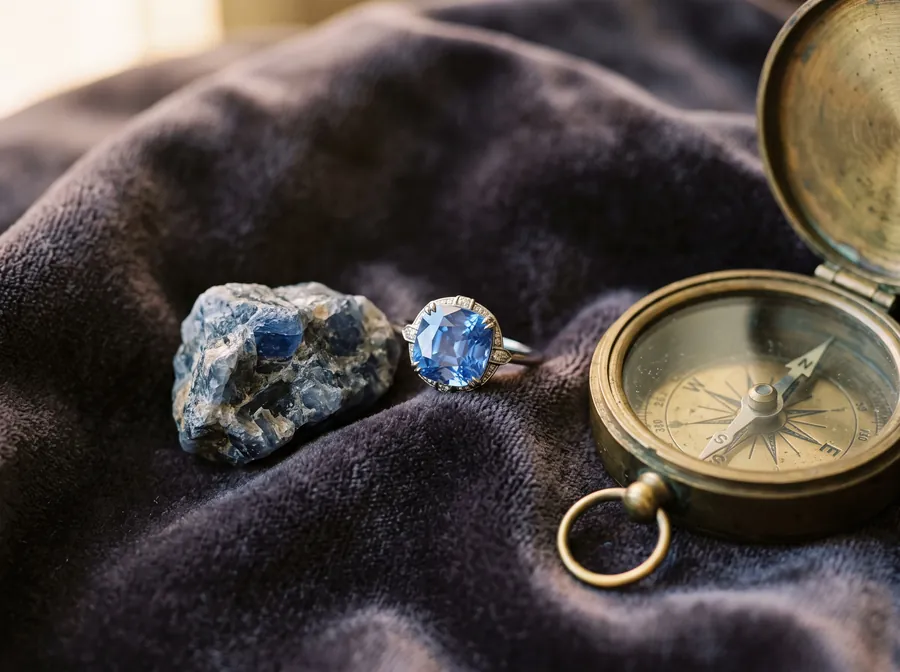
- Kashmir sapphire: mined mainly between 1881 and 1887, velvety blue, almost never seen outside auctions. The premium can be tenfold.
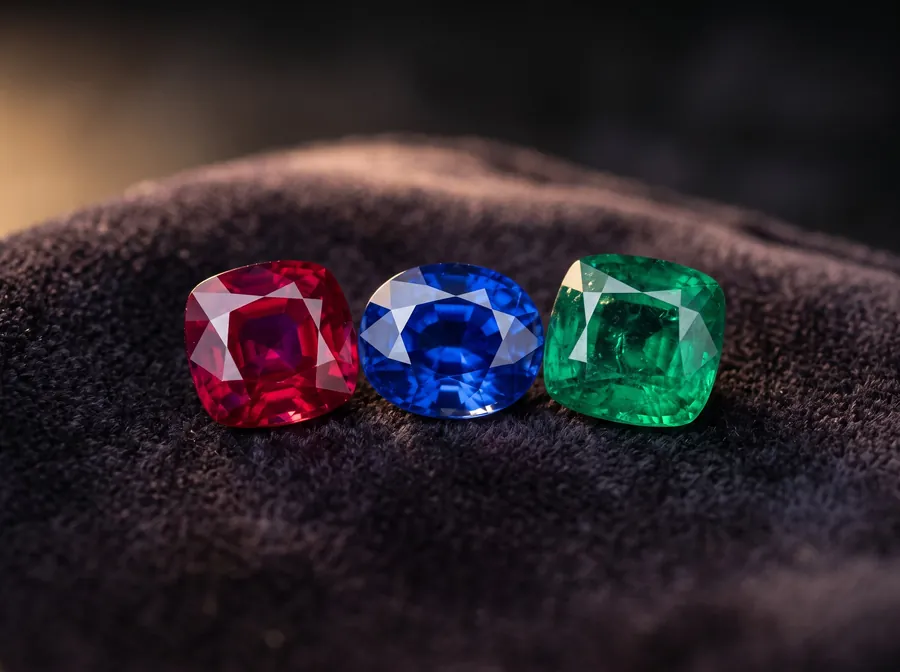
- Burmese ruby: Mogok, the classic source of pigeon’s blood stones. Premium of two to five times over comparable Mozambique stones.
- Colombian emerald: Muzo and Chivor, the reference for warm, slightly bluish green. Premium over Zambian stones of similar colour is smaller than it used to be.
- Ceylon sapphire: Sri Lanka, bright, lighter blues, long tradition, moderate premium.
- Paraíba tourmaline: neon blue-green from one small area of Brazil; African stones of the same colour are now called Paraíba-type and cost less.
When origin should not matter
Below about two carats, or below fine quality, origin premiums shrink to nothing and the stone should be bought on colour alone. A vivid Madagascar sapphire is a better purchase than a mediocre Ceylon stone with a famous label. Origin matters when the stone is fine, large and being bought partly as a store of value.
Provenance: the other kind of origin
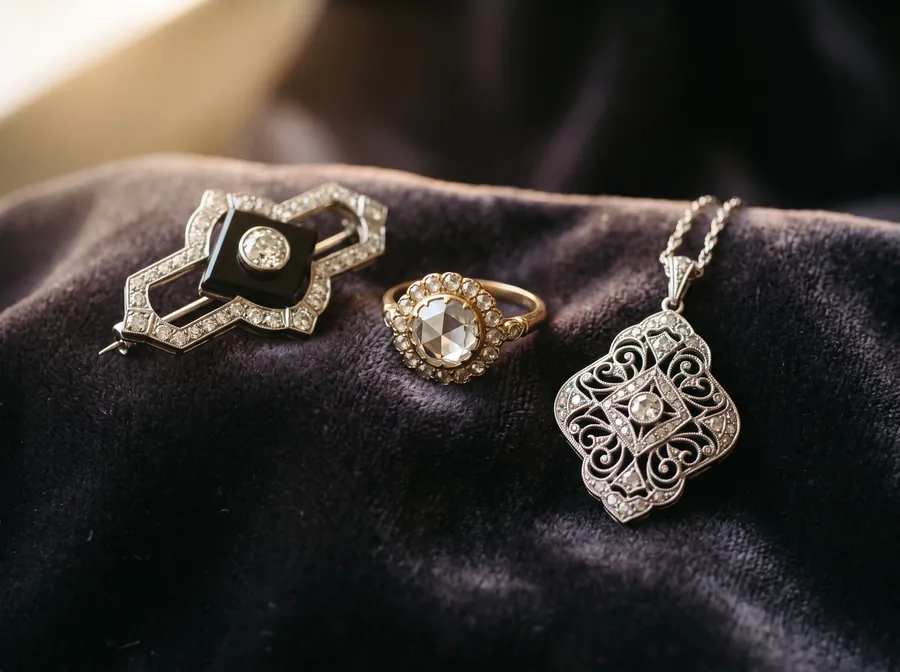
Provenance is the ownership history of a piece: who owned it, when it was made, which house signed it. A signed Cartier bracelet from the 1930s is worth many times its stones. Provenance is proven with receipts, archive letters from the house, auction records and old photographs. Keep every piece of paper that comes with a piece of jewelry; it is part of the asset.
Ethics and traceability
Origin also answers the question of where the money went. Some sources have troubled histories; some laboratories and dealers now offer chain-of-custody documentation from mine to market. If it matters to you, ask for it, and expect to pay a little more for the paperwork.
Questions people ask
Can origin be faked?
A stone cannot be relabelled without a report, but invoices and stories can. Buy on laboratory reports only.
Does origin matter for diamonds?
Rarely for value, though some houses now sell traceable diamonds with a stated mine. It matters for ethics more than price.
What is a “Paraíba-type” tourmaline?
A copper-bearing tourmaline of the same neon colour from Mozambique or Nigeria. Beautiful and much cheaper than Brazilian Paraíba.