Colour first, everything else second
The Big Three: Ruby, Sapphire and Emerald

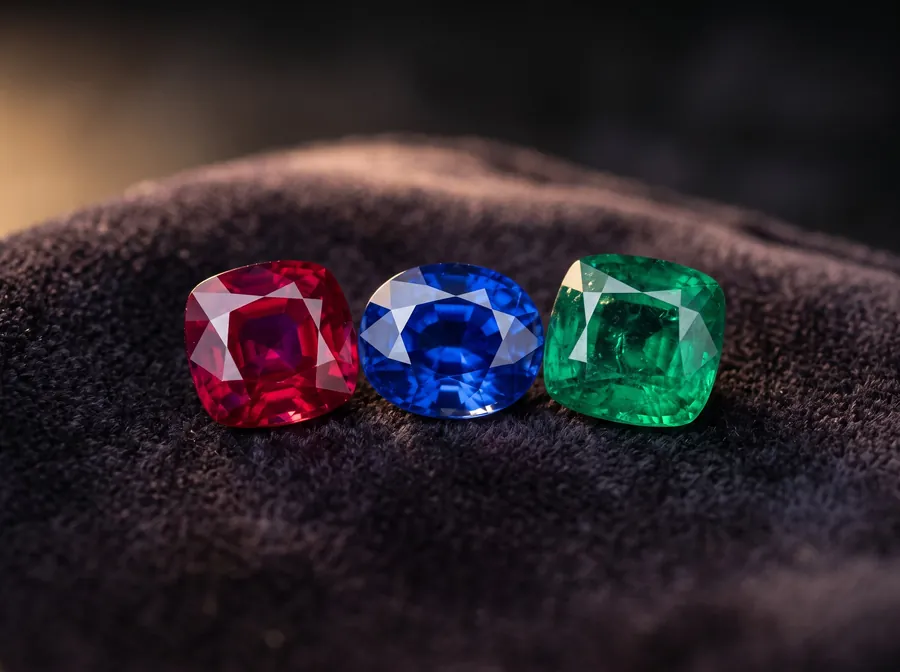
Three stones have carried jewelry for two thousand years. They are judged differently from diamonds, priced by colour before anything else, and sold with more stories than any other object in the trade.
How coloured stones are judged
Colour is everything: hue (is it red or purplish red), tone (light to dark) and saturation (dull to vivid). The finest stones have a pure hue, medium to medium-dark tone and vivid saturation. Clarity is judged relative to the stone: an emerald is expected to have inclusions, a sapphire much less so. Cut is judged on how well it shows the colour and whether there is a window, a pale see-through area in the middle. Carat weight matters, but a vivid two-carat stone beats a dull five-carat one every time.
Ruby
Ruby is red corundum; pink corundum is a pink sapphire, and the line between the two is argued over in every laboratory. The top colour is called pigeon’s blood: pure red with a hint of blue, vivid, glowing under any light. Burma (Myanmar) is the classic origin; Mozambique now supplies most fine rubies and fine stones from there rival Burmese ones at lower prices. Almost all rubies are heated; unheated stones with a laboratory report carry large premiums. Fine unheated Burmese rubies above two carats are among the most expensive gemstones on earth per carat.
Sapphire
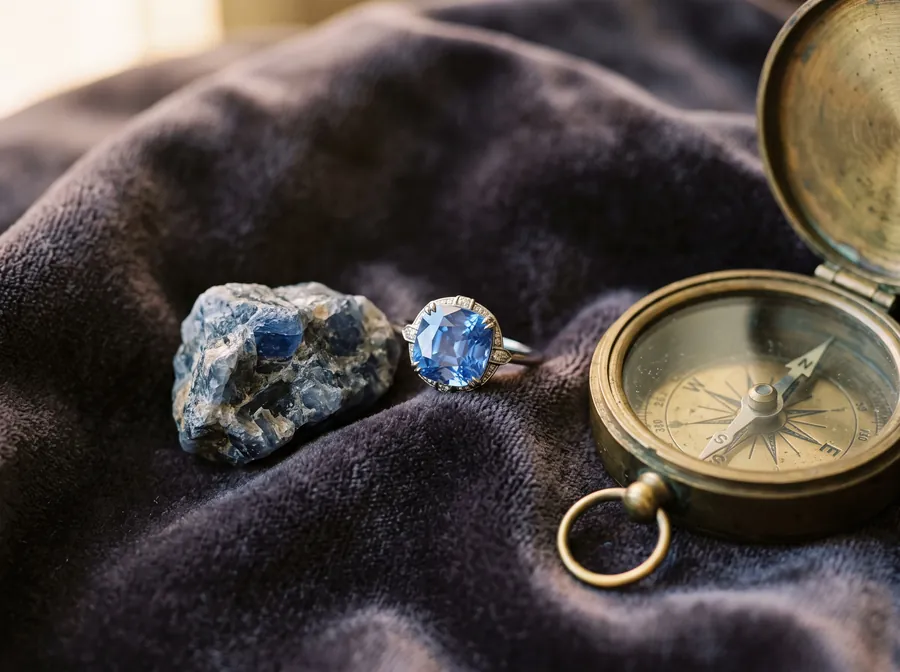
Blue is the reference colour, but sapphire comes in every colour except red. Kashmir stones, mined out a century ago, define the ideal: velvety cornflower blue. Burma and Ceylon (Sri Lanka) follow; Madagascar produces excellent stones at friendlier prices. Padparadscha, a pink-orange sapphire, is the rarest named colour. Heating is routine and disclosed; beryllium diffusion is a treatment that should be priced far lower and must be disclosed. Sapphire is the most durable of the three and the best choice for a daily ring.
Emerald
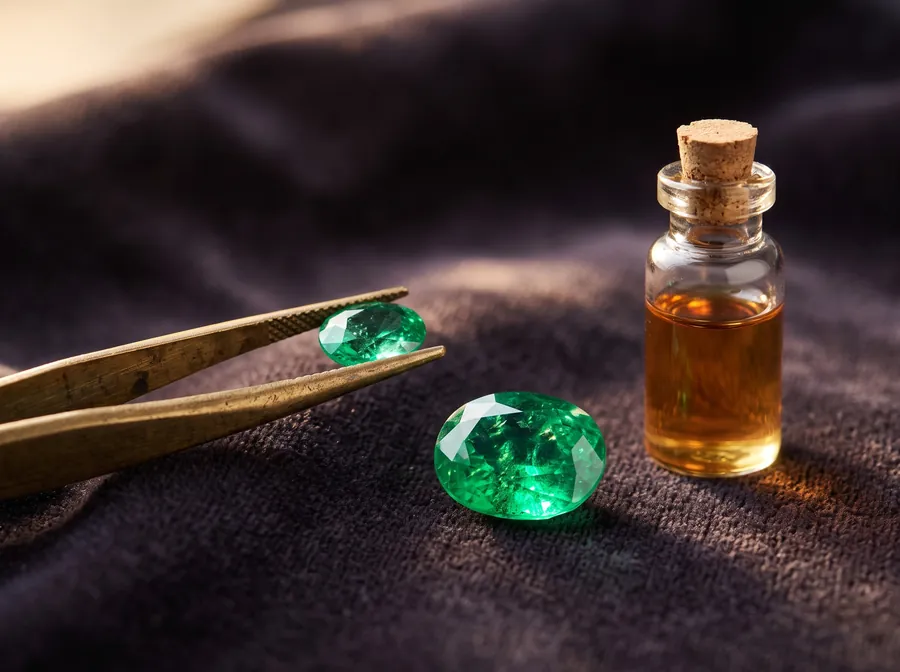
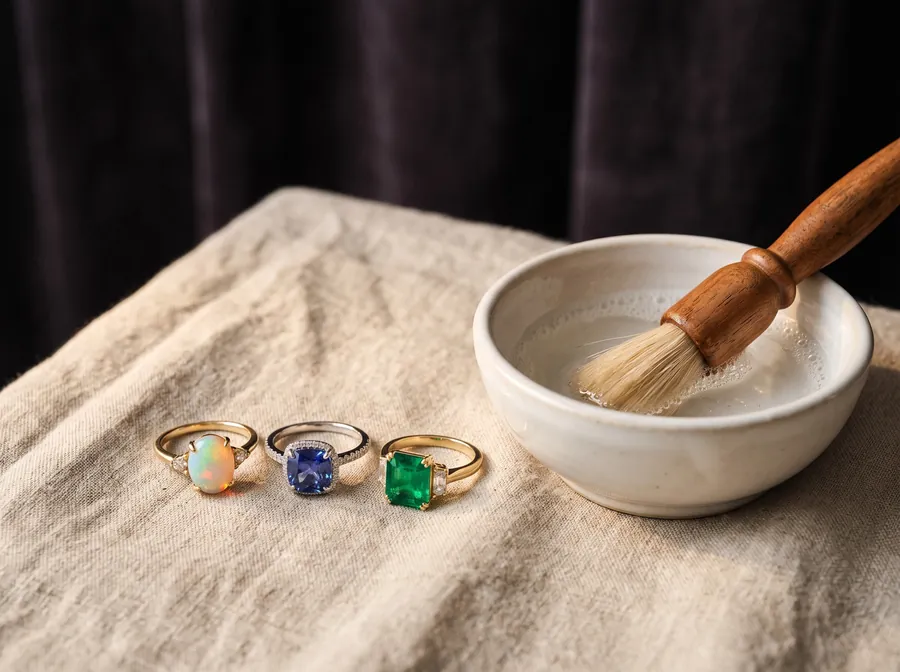
Green beryl, coloured by chromium or vanadium. The finest is a slightly bluish green with strong saturation; Colombia (Muzo, Chivor, Coscuez) is the classic origin, Zambia produces slightly bluer, cleaner stones at lower prices. Emeralds are almost always included; the trade calls the inclusions a garden. Nearly all are treated with oil or resin to make fractures less visible, and the degree of treatment (none, minor, moderate, significant) is stated on reports and moves the price more than anything except colour. Emerald is brittle: no ultrasonic cleaners, no gardening, no hot water.
Prices, honestly
Commercial-grade stones of all three cost a few hundred per carat. Fine stones with good reports start in the low thousands per carat and rise steeply with size and origin. Unheated Burmese ruby, Kashmir sapphire and untreated Colombian emerald are auction-house territory. The Gemstone Comparator on this site lists price tiers side by side.
Questions people ask
Which of the three is best for an engagement ring?
Sapphire, by durability and by price. Ruby is as hard but rarer in fine qualities. Emerald needs a protective setting and a careful owner.
What is the difference between a ruby and a pink sapphire?
Saturation and tone. Laboratories draw the line differently, which is why the same stone can be a ruby in one report and a pink sapphire in another. The ruby name is worth money, so check the report.
Are synthetic rubies and sapphires common?
Very, and they have been made for over a century. They are inexpensive and easy for a laboratory to identify; report or no purchase.