Which stones survive your life
Hardness, Toughness and Everyday Wear

A stone is worn, knocked, washed and forgotten. Some shrug it off for a lifetime, some chip in a year. The difference is written in three words that jewelers rarely explain.
Hardness: resistance to scratching
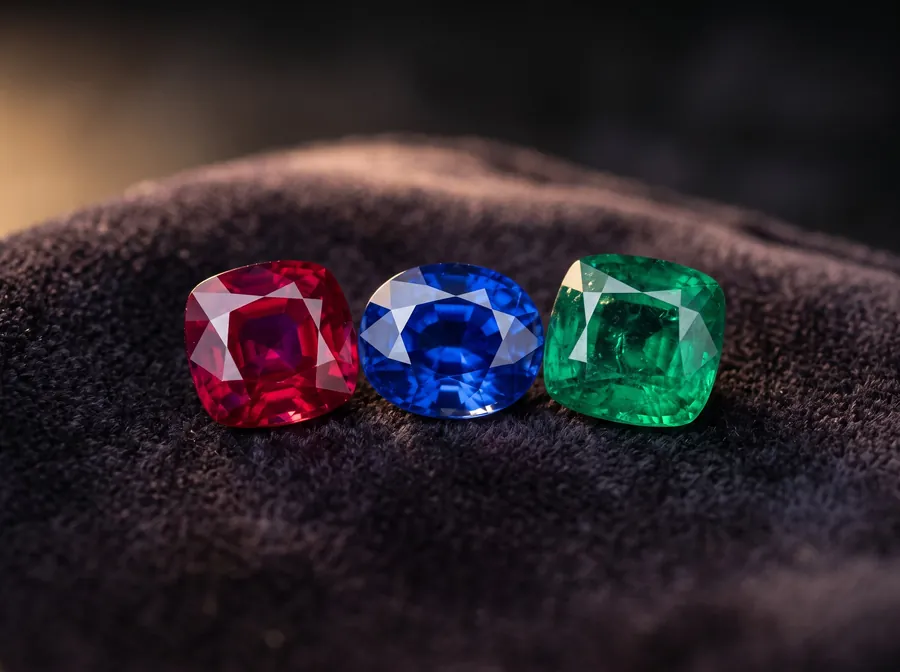
The Mohs scale runs from 1 (talc) to 10 (diamond). It is a ranking, not a linear measure: diamond is many times harder than corundum at 9, which is far harder than topaz at 8. Anything below 7 will be scratched by household dust, which contains quartz. Practical meaning: diamond, sapphire, ruby and spinel stay polished for decades; emerald, aquamarine and tourmaline (7 to 8) do well with care; opal, pearl, turquoise and moonstone (5 to 6.5) need protective settings and occasional repolishing.
Toughness: resistance to breaking
Hardness and toughness are different. Diamond is the hardest material but has cleavage planes and can chip at a sharp corner. Jade is only 6.5 to 7 in hardness but is the toughest gem material and almost impossible to break. Emerald is hard enough but brittle because of its inclusions. Tanzanite is soft and brittle. When a jeweler says a stone is “hard”, ask about toughness as well.
Stability: resistance to heat, light and chemicals
Opal contains water and can craze if dried out. Pearls are dissolved by acids, including perfume and vinegar. Amethyst and kunzite fade in strong sunlight over years. Emerald oil is stripped by ultrasonic cleaners and solvents. Most other stones are stable.
Which stones for which piece
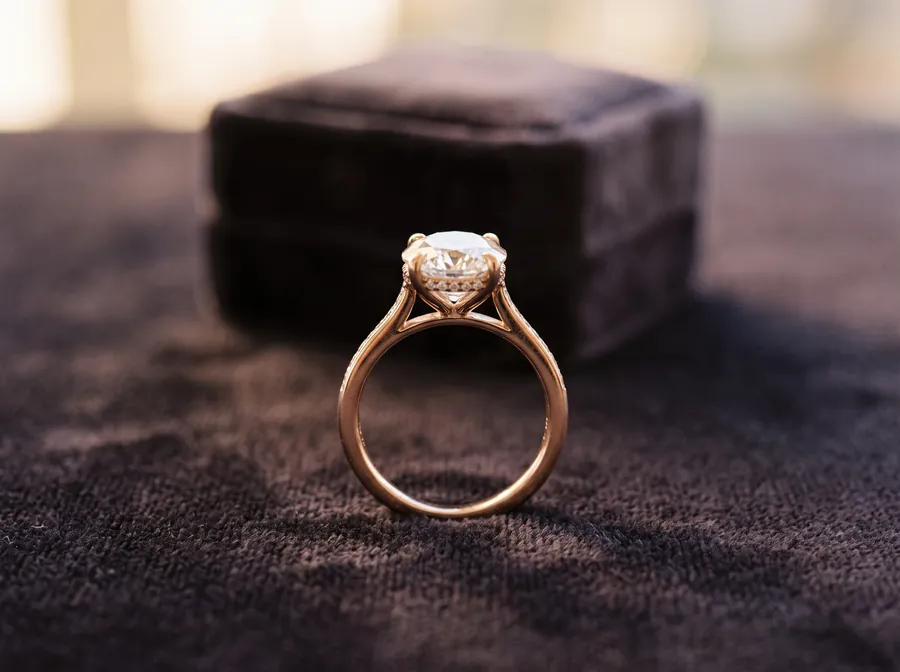
- Daily ring: diamond, sapphire, ruby, spinel, chrysoberyl, alexandrite. Garnet and tourmaline with a bezel or low setting.
- Occasional ring: emerald, aquamarine, morganite, tanzanite, peridot, opal with a protective setting.
- Earrings and pendants: everything, including pearls, opal, moonstone and turquoise, because they are rarely knocked.
Cleaning at home
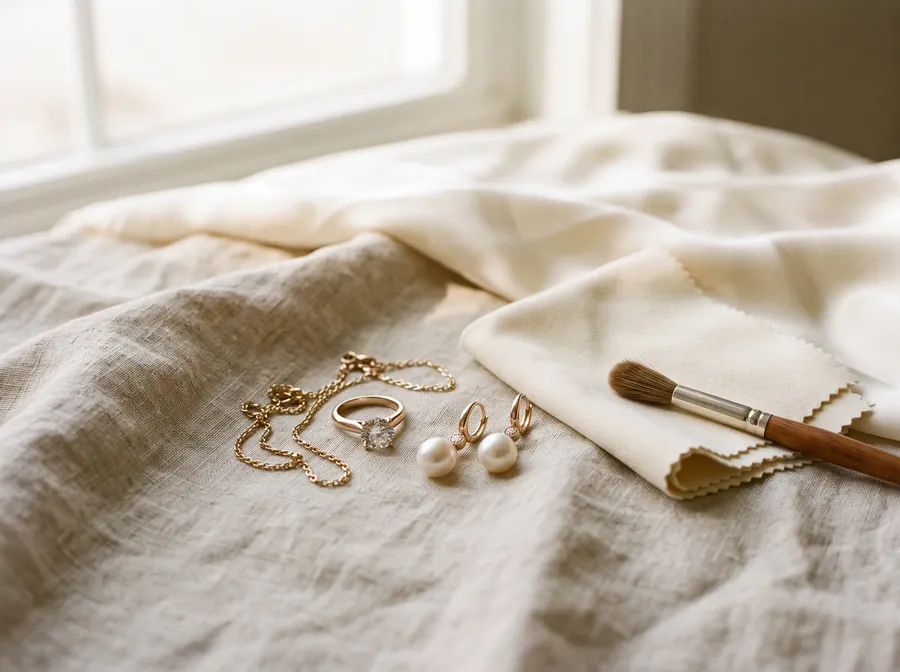
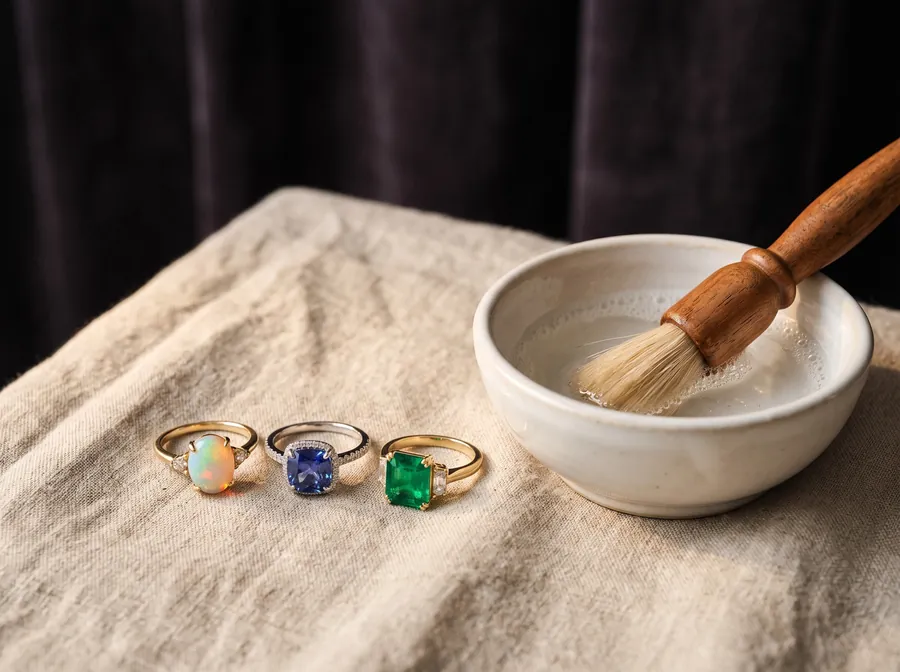
Warm water, a drop of mild dish soap and a soft toothbrush clean diamonds, sapphires, rubies, spinels, garnets, topaz and quartz. Rinse and dry with a lint-free cloth. Ultrasonic cleaners are safe for those stones only when they are free of fractures; never for emerald, opal, pearl, tanzanite, turquoise or any fracture-filled stone. Pearls are wiped with a damp cloth after every wearing and never soaked.
Settings that protect
A bezel, a metal rim around the stone, protects edges and corners better than prongs. Six prongs hold better than four. V-prongs protect the points of pears and marquises. For a softer stone worn daily, the setting matters more than the stone.
Questions people ask
Can a scratched stone be repolished?
Yes, by a lapidary, at a small loss of weight. It is routine for softer stones and rarely needed for corundum or diamond.
Is a lab-grown stone more durable?
No. Lab-grown diamonds, sapphires and rubies have the same hardness and toughness as natural ones.
Which stone is best for a man’s daily ring?
Black or blue sapphire, black spinel, onyx in a bezel or a signet in plain metal. All survive a working hand.