Stone, setting, metal, budget
The Engagement Ring Guide

An engagement ring is the most emotional purchase most people ever make and the least practised. This guide walks through it in the order a good jeweler would, with the numbers left in.
Budget: ignore the rule about months of salary
The “two or three months’ salary” rule was an advertising slogan. Decide what you can spend without borrowing and treat it as a ceiling, not a target. A beautiful ring exists at every level between one and fifty thousand; what changes is carat weight and, above a point, the name on the box. The Engagement Ring Budget Planner on this site shows what a given budget buys.
The stone
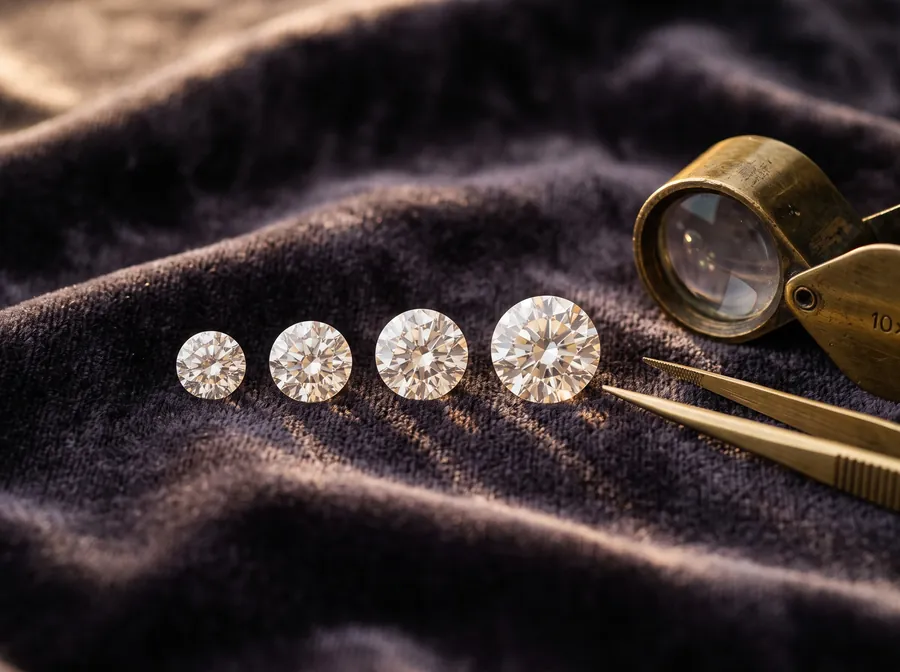
Diamond remains the default: it is the hardest material, it is bright in any light and it holds a market. Read our 4Cs guide and spend on cut. Consider a natural stone with G to J colour and VS2 to SI1 clarity, eye-clean, with a GIA or IGI report, at 0.9 rather than 1.0 carats. Or consider lab-grown, if resale does not matter and size does. Or consider sapphire, which costs a fraction, wears nearly as well and comes in every colour, or spinel, or a warm-toned old-cut diamond from an antique dealer.
The shape
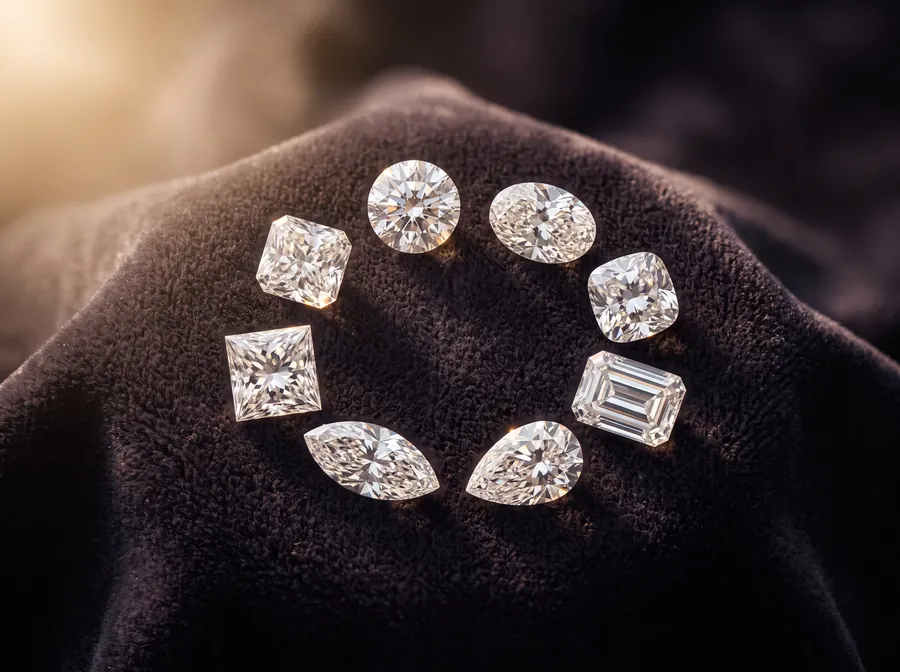
Round is timeless and the most expensive per carat; oval and elongated cushions look larger and are the current favourites; emerald cuts are elegant and unforgiving of low grades; pears and marquises lengthen the finger. See our shape guide and, above all, look at the stone on a hand, not on a screen.
The setting
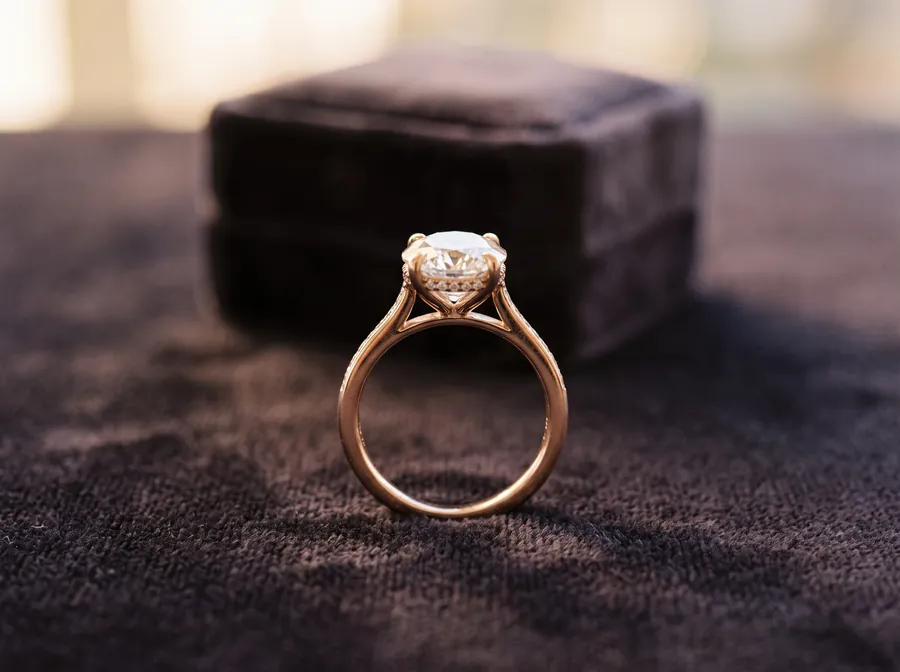
A solitaire, one stone on a plain band, shows the stone and is easy to clean and repair. A halo, small diamonds around the centre, makes the stone look larger and adds sparkle; it also adds tiny stones that can fall out. A three-stone ring adds meaning and width. Pavé bands add sparkle along the shank. Bezel settings protect the stone completely and suit active hands and modern taste. Six prongs hold more securely than four; platinum prongs hold better than gold.
The metal
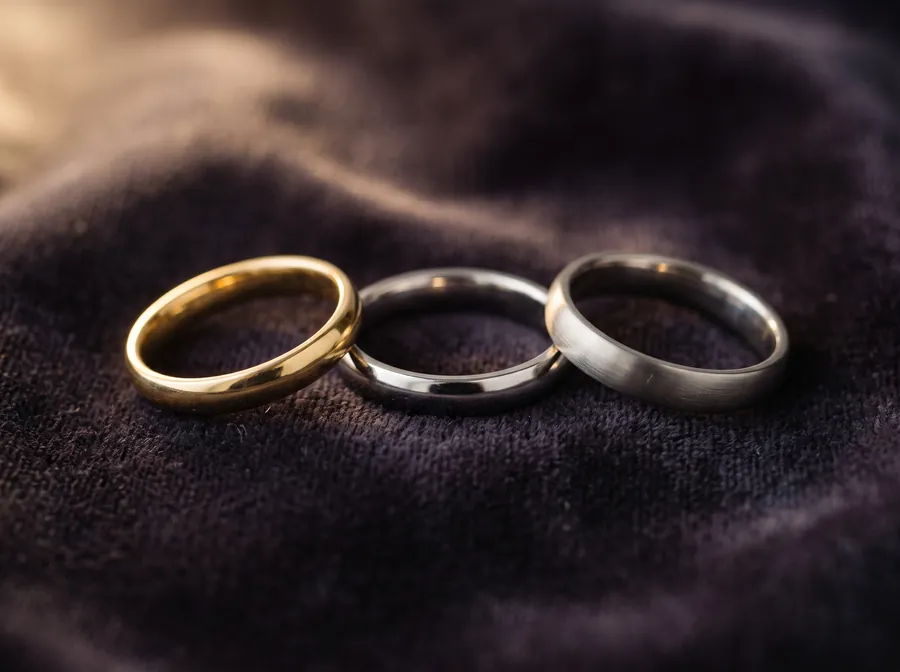
Platinum for permanence and white colour without plating; 18K yellow or rose gold for warmth and a lower price; 14K for hardness. Match the wedding band’s metal so that the two rings do not wear each other down. Our metal guide compares them in detail.
Ring size, quietly
Borrow a ring she or he wears on the same finger and measure its inside diameter with the Ring Size Converter, or trace the inside on paper. Sizing a ring after the fact is easy for plain bands and slightly harder for pavé rings. When in doubt, buy half a size larger; rings can be sized down easily.
Where to buy
An independent jeweler with a workshop can source a certified stone at wholesale and set it in a ring made for it, usually for less than a chain store charges for a similar ring from stock. Online diamond retailers offer the widest choice of certified stones at the lowest prices, but you buy from a screen. A mixed approach works: find the stone online, have it set locally. Our jeweler match puts up to three vetted jewelers in front of you for free.
Paperwork
Take the laboratory report, the invoice with the stone’s details and an appraisal for insurance. Insure the ring on a specialist jewelry policy or as a listed item on household insurance, and photograph it.
Questions people ask
Should the ring be a surprise?
The proposal can be. Most couples now choose the ring together, or at least the shape and style, which avoids expensive returns.
How long does a custom ring take?
Four to eight weeks from stone selection to finished ring at an independent jeweler; longer at large houses.
What about a family stone?
A wonderful start. Have it checked, cleaned and re-set in a new mounting; the sentiment stays, the ring becomes hers.