Round, oval, cushion and the rest
Diamond Shapes: Which Cut Suits Which Hand

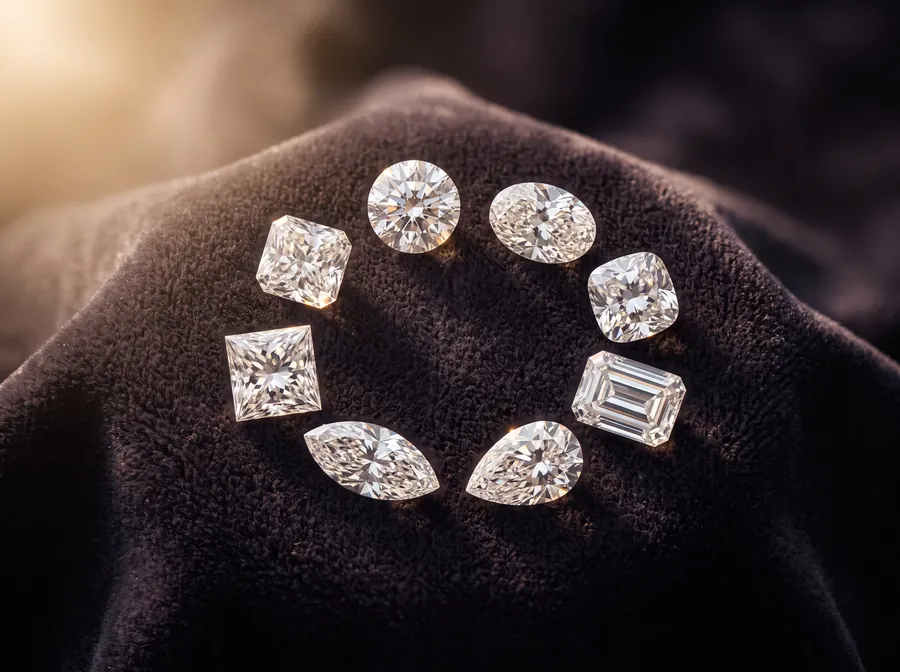
Shape is the first thing anyone sees and the last thing sales floors explain. Each one has a price, a personality and a way of treating inclusions.
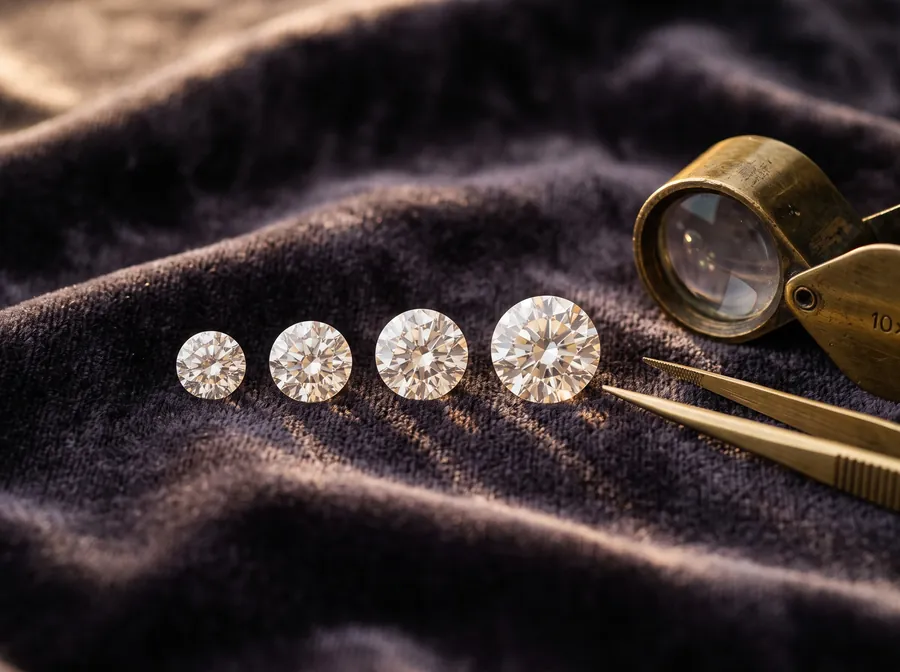
Round brilliant
Fifty-eight facets, the most light return of any shape and the highest price per carat, because more rough is lost in cutting and because demand never sleeps. It hides inclusions well and flatters every hand. If you are unsure, round is the safe answer, and the expensive one.
Oval
A round stretched: the same brilliance with a longer look that makes fingers appear slimmer and the stone appear larger than its weight. Watch for the bow-tie, a dark band across the middle of poorly cut ovals. Ten to twenty-five percent cheaper than round per carat.
Cushion
A pillow with rounded corners and a soft, romantic sparkle. It comes in two flavours: chunky (large facets, antique feel) and crushed ice (many small facets, glittery). Cushions look slightly smaller than their weight. Priced well below round.
Emerald cut and Asscher
Step cuts with long, flat facets that produce flashes rather than sparkle, a hall-of-mirrors effect that suits elegant, understated settings. They hide nothing: colour and clarity show, so buy a grade higher than you would for a round. The Asscher is the square version. Among the most affordable shapes per carat.
Pear and marquise
Both point at least one way and both lengthen the finger. Symmetry is everything; look at the outline from above and reject anything lopsided. Points are vulnerable and want a protective prong. Marquise stones look larger than any other shape for their weight.
Princess and radiant
Square or rectangular brilliants with sharp corners. Princess cuts are brilliant and cheaper than round; their corners chip if unprotected. Radiants combine step-cut outlines with brilliant faceting and hide inclusions and colour better than emerald cuts.
Which shape for which hand
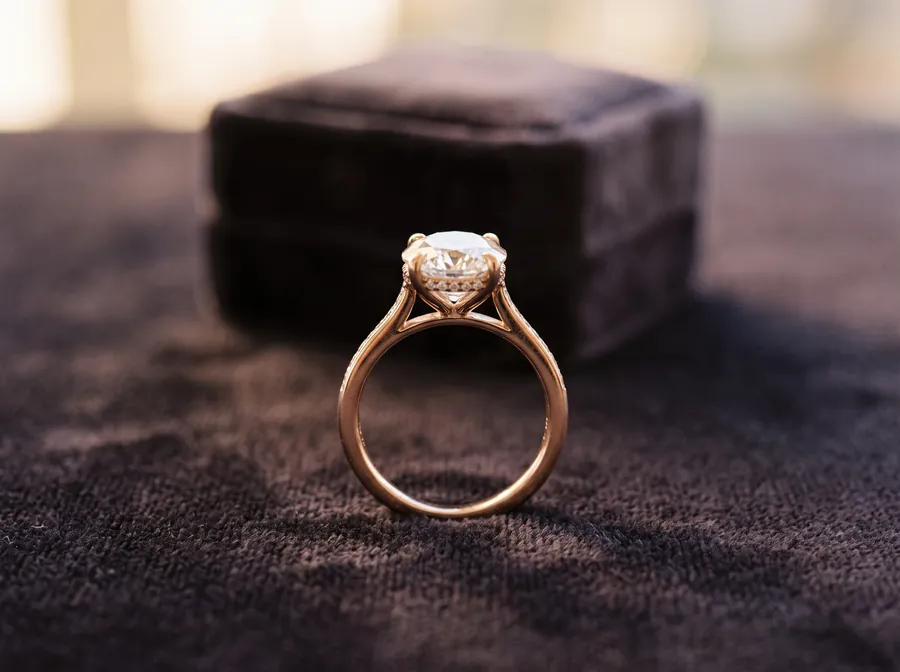
Long fingers can carry anything, including wide cushions and Asschers. Shorter fingers look best with ovals, pears and marquises. Wide bands suit square shapes; delicate bands suit rounds and ovals. Active hands want protected corners: round, oval, cushion or a bezel setting for anything pointed.
Questions people ask
Which shape looks largest for the money?
Marquise, then oval and pear. Elongated shapes have more surface area per carat and fewer carats in the pavilion where nobody looks.
Do fancy shapes have cut grades?
Most laboratories grade cut only for round brilliants. For other shapes, judge symmetry, polish and, above all, the stone in a video or in person.
Which shapes are trending?
Ovals and elongated cushions have led for several years. Trends move prices, so an unfashionable shape is often the best value.