Same stone, different market
Lab-Grown or Natural: An Honest Comparison

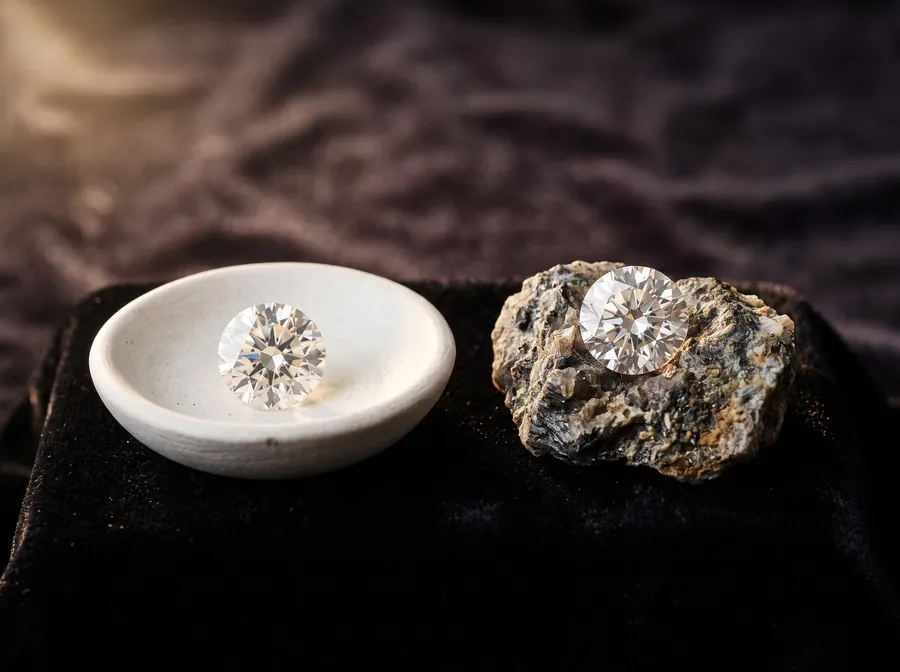
A lab-grown diamond is a diamond. The question is not whether it is real, it is whether the thing you are buying is the stone, the story or the resale value.
What a lab-grown diamond is
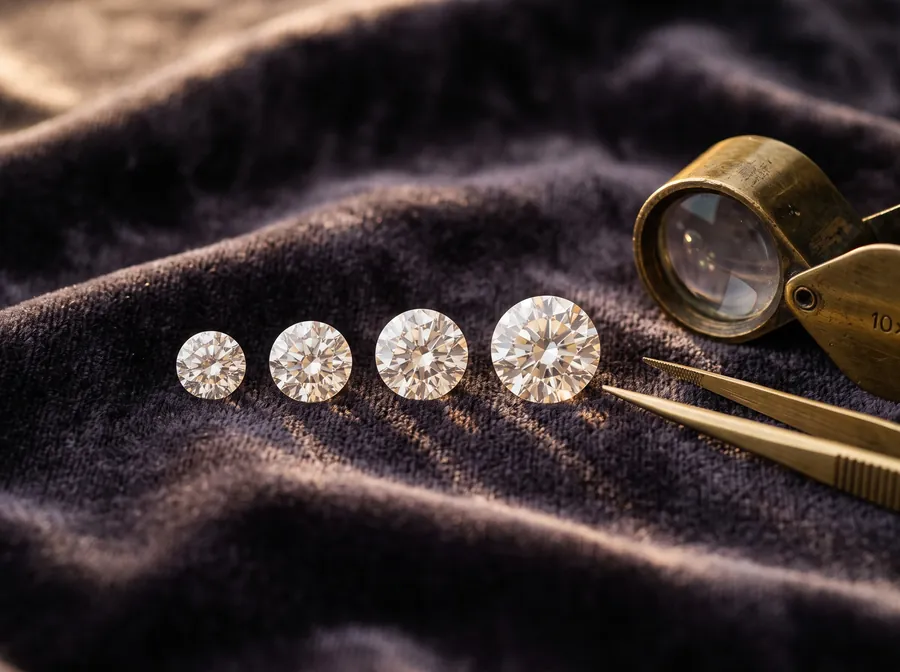
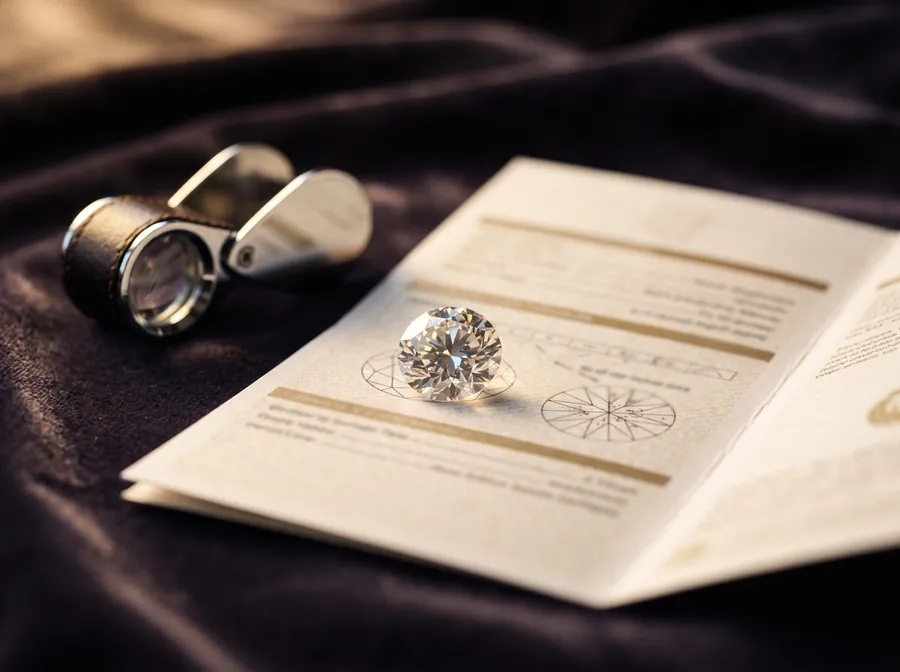
Lab-grown diamonds are crystallised carbon grown in weeks, either by high pressure and high temperature (HPHT) or by chemical vapour deposition (CVD). They have the same hardness, the same refractive index and the same fire as mined diamonds. A jeweler cannot tell them apart by eye; laboratories use spectroscopy. Reports from IGI and GIA state the growth method and say clearly that the stone is laboratory-grown.
Price: the gap keeps widening
A one-carat, G colour, VS1 lab-grown diamond now costs a small fraction of its mined equivalent, and prices are still falling as production scales. That is the point in favour. It is also the point against: a lab-grown diamond bought today will be worth less next year for the same reason it was cheap today. Natural diamonds are not an investment either, but their prices move slowly and their resale market exists.
What you gain
- A larger or better-graded stone for the same money, often both.
- Traceable origin. Growth facilities are documented; mining supply chains are harder to follow.
- Clarity and colour at the top of the scale become affordable.
What you give up
- Resale. Buyers pay very little for lab-grown stones because they can buy new ones cheaply. Think of the purchase as consumption, not storage of value.
- Rarity. A natural diamond formed over a billion years and was found; for some people that story is the whole point.
- Trade-in programmes. Many jewelers offer upgrades on natural stones, few on lab-grown.
How to decide
If the ring is about the ring, the stone is worn every day and the budget is real, lab-grown buys more beauty. If the ring is also a family object, a thing that will be handed down, insured, appraised and perhaps one day sold, natural keeps its meaning and some of its money. Many couples now split the difference: a natural centre stone with lab-grown side stones, or a lab-grown engagement ring and natural stud earrings.
Two rules whichever you choose
Insist on a laboratory report that states the origin, and check the price against the estimator: lab-grown diamonds are still sold at natural prices in some shops to customers who did not ask.
Questions people ask
Can a lab-grown diamond be passed off as natural?
Only without a report. Any gemological laboratory identifies growth method in minutes. Buy natural stones with GIA, IGI or HRD reports that state “natural”.
Do lab-grown diamonds get cloudy or change over time?
No. They are diamonds and age exactly like mined ones, which is to say not at all.
Is lab-grown more sustainable?
It avoids mining, but growth needs a lot of electricity. The answer depends on the facility’s energy source. Ask.