One watch, chosen well
Your First Luxury Watch: A Buying Framework

The first serious watch is bought once and worn for decades. A framework beats a wish list: decide the role, the size and the movement, then let the brand fall out of the answer.
Decide the role first
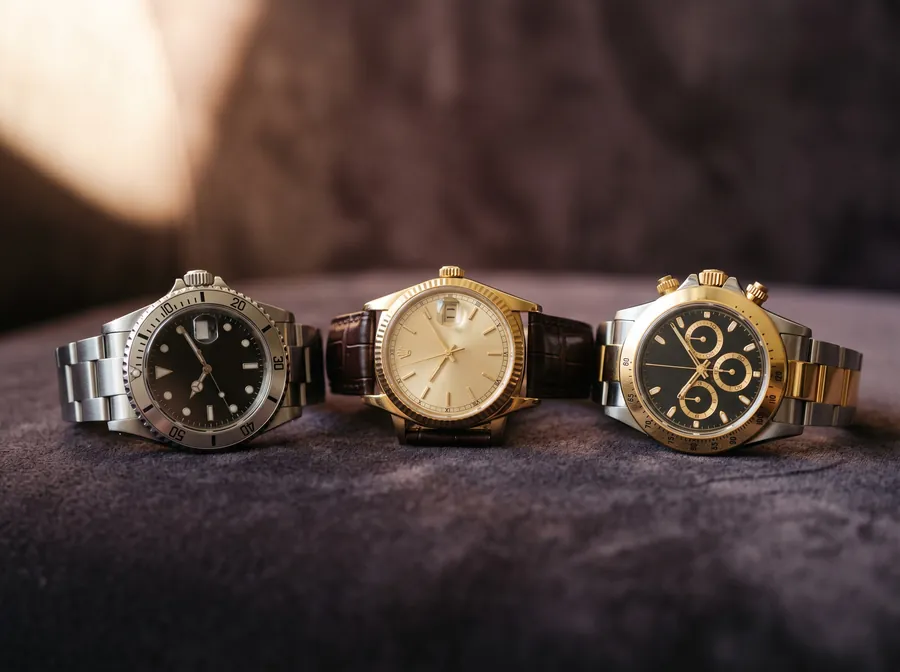
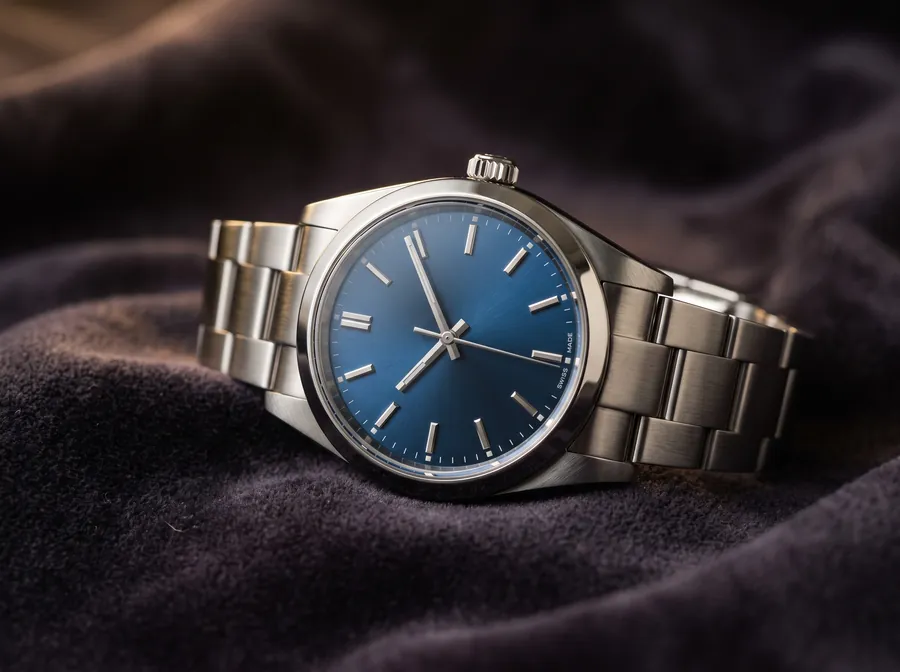
One watch for everything has to work with a suit and a T-shirt, survive a swim and look right at a dinner. That points to a steel sports watch or an elegant steel watch with a date, 36 to 41 millimetres, on a bracelet. A dress watch, thin, on leather, is a second watch. A chronograph is a third.
Size on your wrist, not on the screen
Case diameter, lug-to-lug length and thickness together decide how a watch wears. A 40-millimetre watch with long lugs can overhang a slim wrist; a 38-millimetre one with short lugs can look bigger than expected. Try watches on. For wrists under 17 centimetres, 36 to 39 millimetres is usually right; for larger wrists, 39 to 42.
Movement: mechanical if you care, quartz if you do not
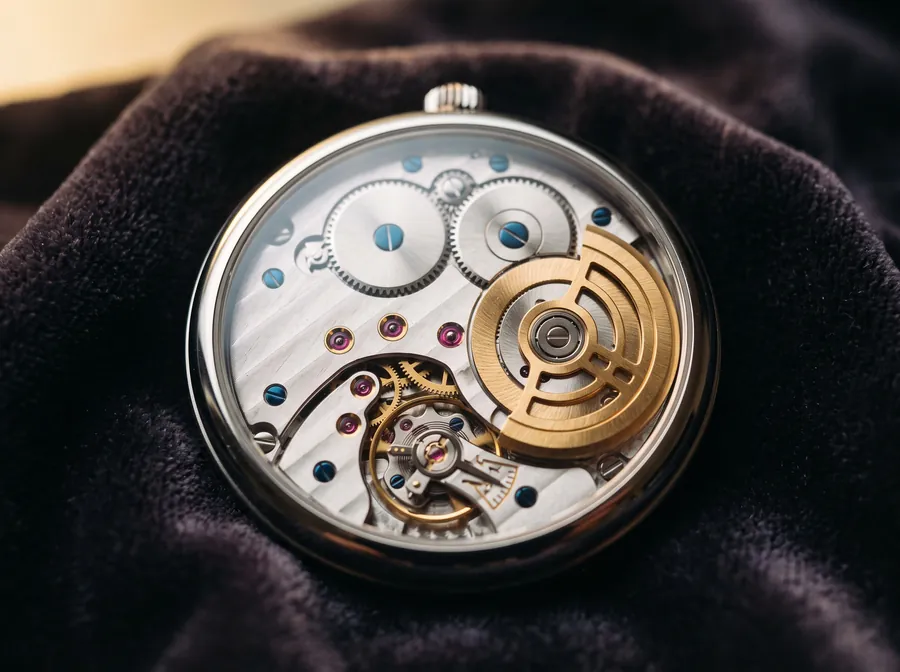
An automatic movement winds itself as you move and needs a service every five to ten years. It is the heart of the hobby and the reason most luxury watches cost what they do. Quartz is more accurate, needs a battery every few years and is the sensible choice for a watch that is worn rarely or treated roughly. Our guide on movements explains the mechanics.
Brand tiers, plainly
Entry luxury: Tudor, Longines, Oris, Nomos, Sinn, Grand Seiko. Mid luxury: Omega, Cartier, Breitling, IWC, Zenith, TAG Heuer’s upper lines. Upper luxury: Rolex, Jaeger-LeCoultre, Panerai, Hublot. High horology: Patek Philippe, Audemars Piguet, Vacheron Constantin, A. Lange & Söhne, F.P. Journe. A first watch from the first two tiers is entirely respectable and a better use of money than an entry model from a house whose name costs more than its movement.
New or pre-owned
New buys a warranty, a first-owner experience and, for a few sought-after references, a waiting list. Pre-owned buys the same watch, often two to five years old, at twenty to forty percent less, with the depreciation already absorbed. For a first watch, pre-owned from a reputable dealer with a warranty is often the better deal; our pre-owned checklist tells you what to inspect.
Where the money should go
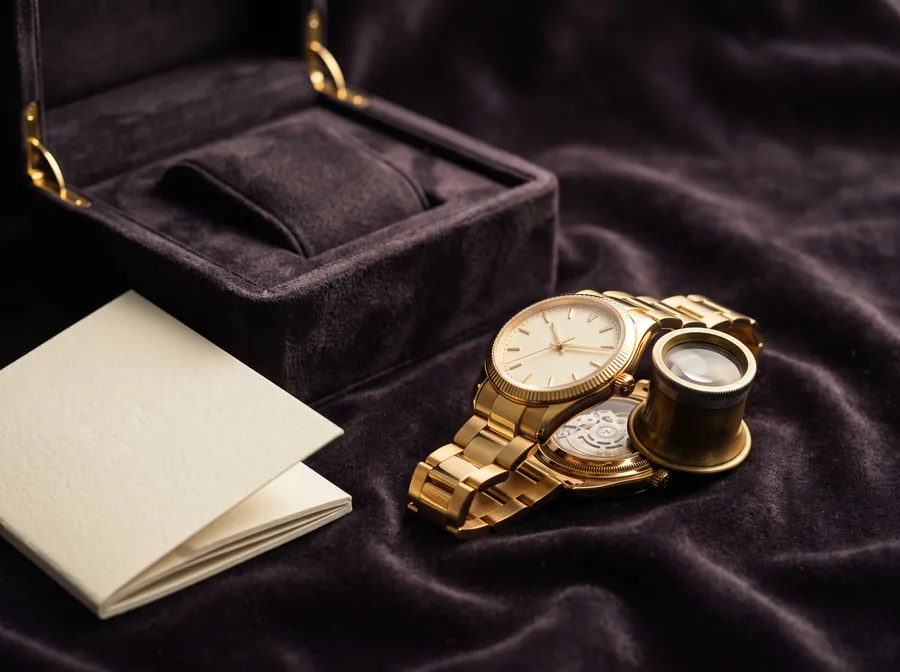
Into the movement, the case finishing and the bracelet, in that order. Not into diamonds on a first watch, not into precious metal cases, which double the price and halve the wearability, and not into limited editions, which are limited mainly in their resale market.
A short list that works
Steel on bracelet, 38 to 40 millimetres, automatic, date, 100 metres of water resistance, from a maker who has been making that model for a decade. There are twenty watches that fit that description between two and eight thousand. Any of them is a good first watch.
Questions people ask
Is a Rolex the right first luxury watch?
It is a fine watch with the best resale market in the industry, if you can buy one at list price. At a premium above list, an Omega, Tudor or Grand Seiko buys more watch for less money.
How much should a first luxury watch cost?
Enough to buy a proper mechanical movement in a well-finished case, which starts around two thousand. Above ten thousand, you are paying for name and metal, which is fine when it is a second watch.
Steel bracelet or leather strap?
Bracelet for a daily watch: it survives water, sweat and summer. Straps are for dress watches and can be changed in seconds.