Spot price, purity, percentage
How to Sell Gold Without Getting Shortchanged

Selling gold is arithmetic that most sellers never do. Weight times purity times spot price is the fine gold value; the offer is a percentage of that; the percentage is the whole negotiation.
Step one: sort and weigh
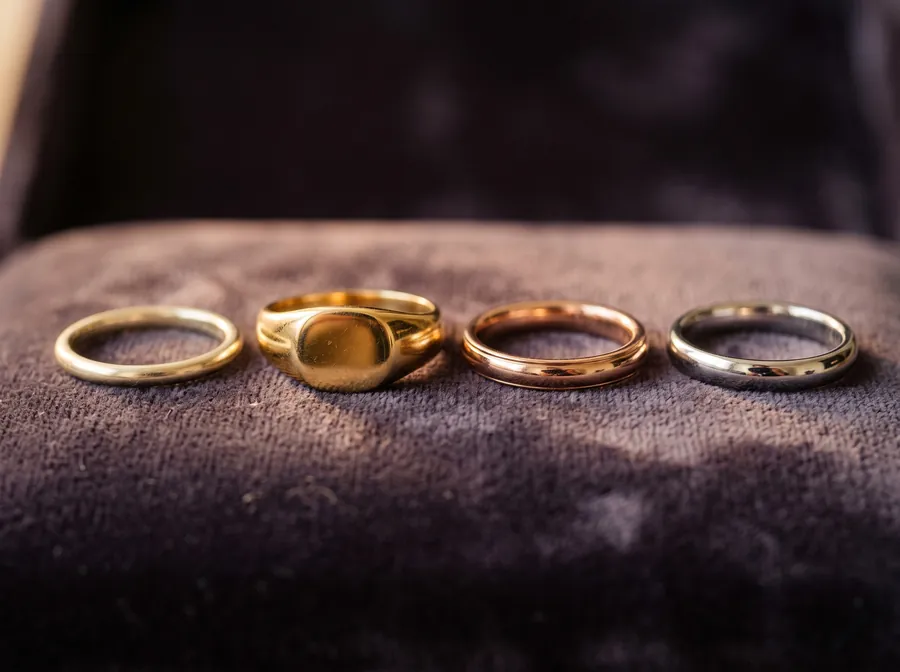
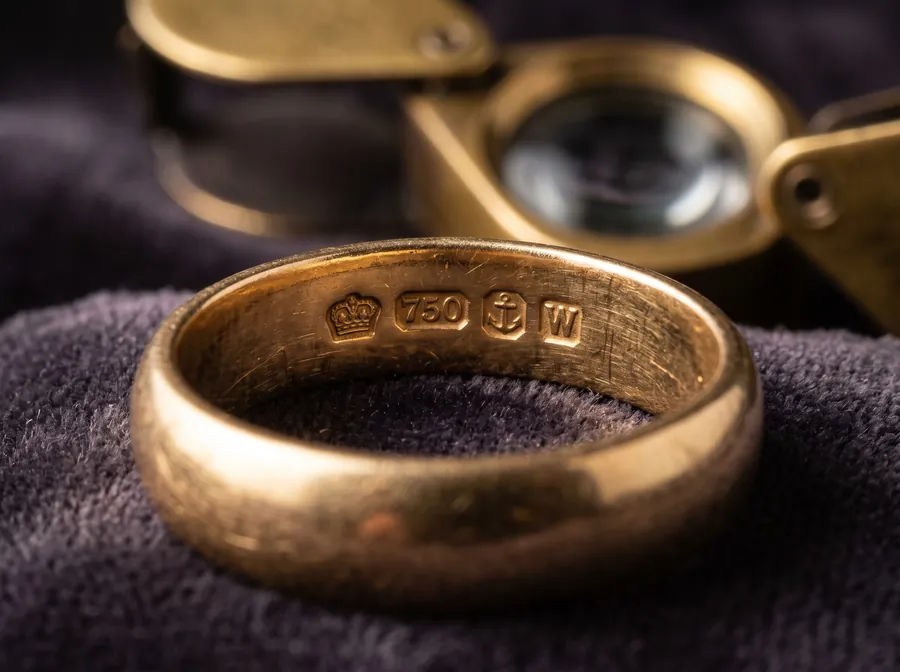
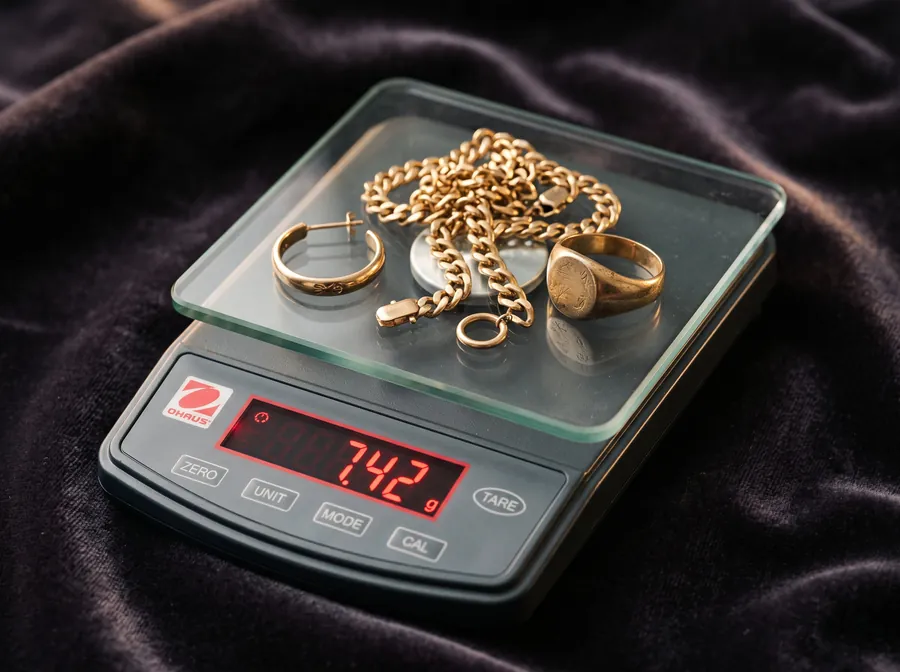
Separate pieces by stamp: 750, 585, 375, 916, 999, and silver and platinum apart. Remove stones if you can, or note them. Weigh each pile on a scale that reads to a tenth of a gram. Plated pieces (GP, GF, HGE) go in a separate pile that has no metal value.
Step two: the fine gold value
For each pile, grams multiplied by purity gives the fine gold content; multiply by today’s price per gram, shown live on this site, to get the fine gold value. A 20-gram pile of 18K contains 15 grams of pure gold. The Gold Calculator does this in one line.
Step three: what buyers pay
Refiners pay close to ninety-eight percent of fine value but deal only in quantity. Reputable gold buyers, jewelers and precious metal dealers pay eighty to ninety-five percent for jewelry and scrap. Coins and bars from recognised mints fetch ninety-five to ninety-nine percent. Pawnbrokers, mail-in gold schemes and shopping-centre kiosks often pay fifty to seventy percent and count on you not knowing.
Step four: where to sell
- Precious metal dealers and refiners with published buying prices: best for scrap, coins and bars.
- Jewelers with a workshop: good for gold and often better for pieces with stones, which they can resell.
- Auction and specialist dealers: for signed and antique pieces, which should never be sold as scrap.
- Our sell page: vetted buyers compete on your description, and you compare before anyone touches the gold.
The six tricks
- Quoting per pennyweight or per ounce to obscure the per-gram price. Convert: one troy ounce is 31.1 grams, one pennyweight is 1.555 grams.
- Weighing everything together at the lowest purity in the pile.
- Deducting for stones without valuing them, then keeping the stones.
- “Testing fees” or “refining fees” deducted after the offer.
- Pressure to decide now, when the spot price is public and moves slowly.
- Offers quoted as a percentage of an unspecified “market price” rather than the published spot price.
Timing
Gold prices move a few percent a month; a good buyer beats a bad one by twenty to forty percent. Spend the time choosing the buyer, not timing the market.
Paperwork
Bring identification; reputable buyers must record it. Ask for a written receipt listing each piece, its weight, purity, the spot price used, the percentage paid and the total. A buyer who will not put that on paper is not the buyer.
Questions people ask
Do gold buyers pay for gemstones?
Serious buyers do, separately, or return them. Small melee diamonds are worth little; larger stones should be valued on their own.
Is it better to sell gold jewelry as jewelry or as gold?
Signed, antique or fashionable pieces can be worth more than their metal to the right buyer. Plain, broken or dated pieces are worth their gold.
Are online gold buyers safe?
Established dealers with insured shipping and published prices, yes. Mail-in envelopes advertised on television, mostly no.