What holds value, what does not
Coins, Bars and Jewelry: Gold as an Asset

Gold is money that does not need a bank. Owning it well means understanding premiums, spreads and storage before the first purchase, and understanding that a bracelet is not a bar.
Spot, premium, spread
Spot is the market price of gold per troy ounce, shown live on this site. Dealers sell above spot (the premium) and buy below it (the discount); the difference is the spread. For a one-ounce coin, premiums run a few percent; for small bars and gram coins, higher; for jewelry, a great deal higher because you are paying for design and labour that no buyer will refund.
Coins
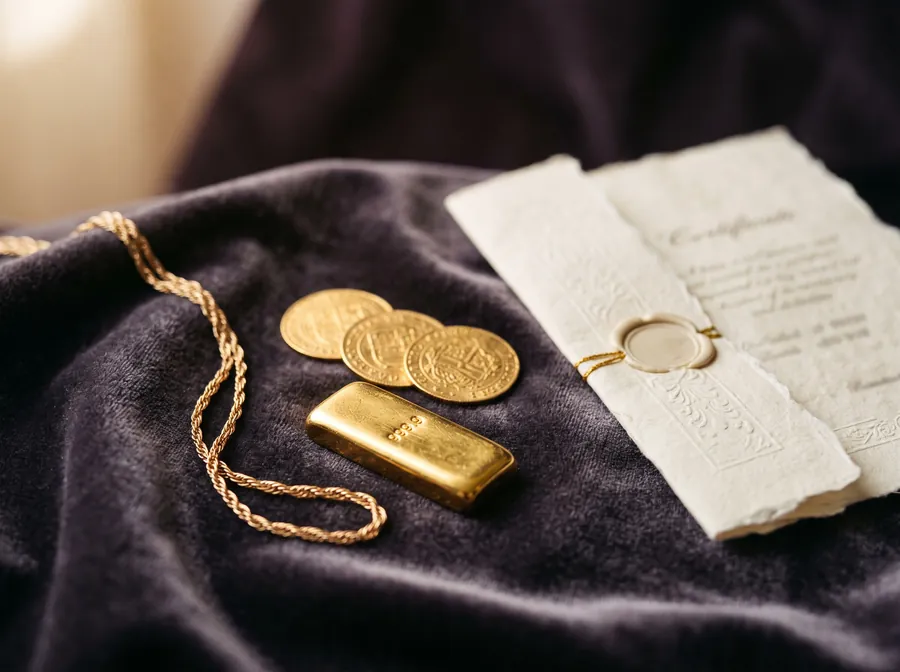
Bullion coins from national mints, the Krugerrand, Maple Leaf, American Eagle, Britannia, Vienna Philharmonic, are recognised everywhere, sold at low premiums and bought back at small discounts. One-ounce coins are the standard; fractional coins cost more per gram. Numismatic (collector) coins are a different market with different risks.
Bars
Bars from refiners accredited by the London Bullion Market Association, such as Valcambi, PAMP, Heraeus, Argor-Heraeus or Umicore, trade at the lowest premiums, especially above 100 grams. Keep the sealed assay card; a bar without its packaging is bought at a discount pending testing. Kilo bars are the most efficient form and the hardest to sell in pieces.
Jewelry
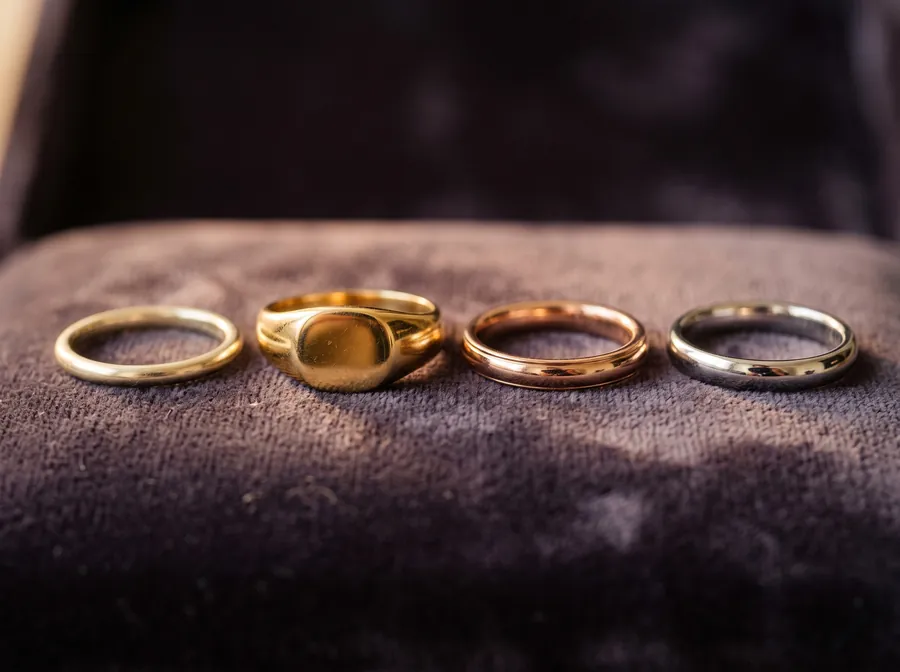
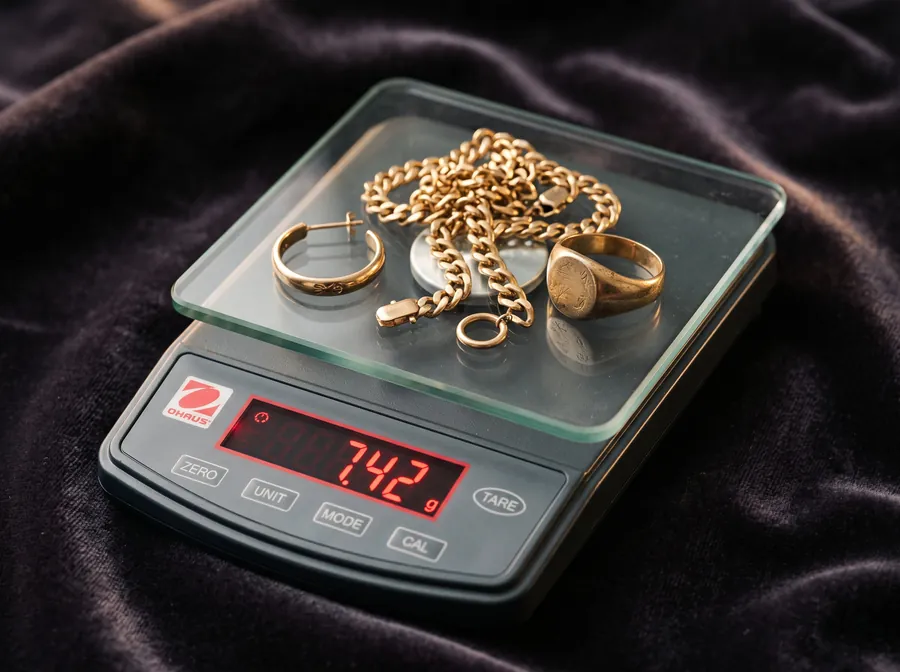
Jewelry is bought at two to five times its metal value and sold at eighty to ninety-five percent of it. As an investment, that is a poor trade. As a way to own gold that is worn, enjoyed and passed on, it has a value no bar has. In cultures where 22K jewelry is traditional, premiums are lower and pieces closer to bullion; in Western fine jewelry, the design is most of the price.
Storage and insurance
Home safes protect against opportunist theft, not against fire or a determined burglar; bank safe deposit boxes protect against both but are not insured by the bank. Specialised vault storage, allocated and audited, costs a fraction of a percent per year and is the standard for larger holdings. Household insurance typically covers small amounts of jewelry and often excludes bullion; declare it.
Taxes and paperwork
Investment gold above a stated purity is exempt from VAT in the European Union and the United Kingdom; jewelry is not. Capital gains rules differ by country and by holding period. Keep invoices: they prove ownership, purchase price and purity, and buyers ask for them.
How much and how
Most advisers who like gold at all suggest a small single-digit percentage of a portfolio, bought in tranches rather than all at once, in one-ounce coins or 100-gram bars from a reputable dealer with published buy-back prices. The live price page on this site is where the arithmetic starts.
Questions people ask
Are gold coins better than bars?
Coins are easier to sell in small amounts and are recognised by every buyer; bars have lower premiums above 100 grams. Many people hold both.
Is old gold jewelry a good investment?
Only if bought near metal value, for example at estate sales, or if it is signed and antique, in which case it is an art investment, not a gold one.
Should I buy gold online or locally?
Both work with reputable dealers. Online dealers often have lower premiums; local dealers allow inspection and instant settlement when selling.